
For many Indian families, this question doesn’t come up suddenly. It arrives quietly after a missed call that goes unanswered, a forgotten medicine, a neighbor’s casual comment, or a late-night worry you can’t shake off.
Are they really okay living alone?
Or have we just gotten used to believing they are?
India is changing. Families are more nuclear, children move cities or countries for work, and parents often choose or end up with independent lives well into their later years. For some seniors, living alone feels empowering. For others, it’s a silent compromise.
So, is it safe for seniors to live alone in India?
The honest answer is: it depends on health, environment, support systems, and how prepared both seniors and families are.
Let’s break this down thoughtfully, without fear-mongering or false reassurance.
Why Many Seniors in India Live Alone Today
Living alone was once the exception in Indian households. Today, it’s increasingly common.
Adult children move for careers. Retirement communities are still limited. Many seniors prefer staying in familiar homes rather than relocating. And some simply value independence deeply.
For many older adults, living alone represents:
- Control over daily routines
- Emotional independence
- Familiar surroundings and community
- A strong sense of self-reliance
For these seniors, the idea of “moving in with children” or “having constant help” can feel restrictive rather than comforting.
But independence, while valuable, doesn’t automatically mean safety.
What “Safe” Really Means for Seniors Living Alone
Safety for seniors isn’t just about crime or accidents. It’s layered.
A senior living alone may appear fine outwardly, but still face risks that build quietly over time. True safety includes:
- Physical safety (mobility, falls, emergencies)
- Medical safety (medication, chronic conditions)
- Emotional well-being (loneliness, anxiety, depression)
- Environmental safety (housing layout, neighborhood support)
- Social connection (human interaction, accountability)
When one or more of these layers weakens, living alone can shift from independence to vulnerability.
The Physical Risks of Living Alone
Falls and Mobility Issues
Falls are one of the most common and dangerous risks for seniors. In India, many homes are not designed with aging bodies in mind uneven floors, slippery bathrooms, and stairs without railings.
When a senior lives alone, even a minor fall can become serious if:
- No one hears them
- Help is delayed
- Panic sets in
What would be manageable with someone nearby can escalate quickly in isolation.
Medical Emergencies
Chronic conditions like diabetes, blood pressure issues, or heart disease are common among seniors. Managing these requires consistency and a quick response when something feels off.
Living alone means:
- Symptoms might be ignored
- Medicines may be skipped unintentionally
- Emergencies may go unnoticed until too late
This doesn’t mean seniors can’t manage but it does mean they need reliable systems around them.
Emotional Safety Often Goes Unnoticed
This is the part families miss most.
Loneliness doesn’t always look like sadness. Sometimes it looks like irritability, withdrawal, or excessive independence. Seniors living alone may not say they feel lonely but prolonged isolation can quietly affect mental and emotional health.
In India, where social interaction has traditionally been woven into daily life, living alone can feel especially isolating once mobility reduces or friends pass away.
Emotional safety matters just as much as physical safety.
When Living Alone Can Be Safe
Not all seniors living alone are at risk. In fact, many thrive independently.
Living alone can be safe when:
- The senior is physically mobile
- Chronic health conditions are stable
- The home environment is senior-friendly
- There is regular social interaction
- Support is available when needed
Some seniors are proactive, tech-savvy, socially engaged, and deeply connected to their communities. For them, independence supports dignity and confidence.
The key difference is support without intrusion.
The Role of the Environment in Senior Safety
Where a senior lives matters as much as how they live.
Housing Layout
Older homes often lack safety features like grab bars, anti-skid flooring, or emergency lighting. Small changes can significantly reduce risk.
Neighborhood Support
Seniors who live in communities where neighbors check in, shopkeepers know them, or security staff are present are far safer than those who are socially invisible.
Urban vs Semi-Urban Living
Urban areas may offer better medical access, but they can also increase anonymity. Semi-urban or gated communities often provide stronger informal support networks.
Technology Helps but It Isn’t Enough
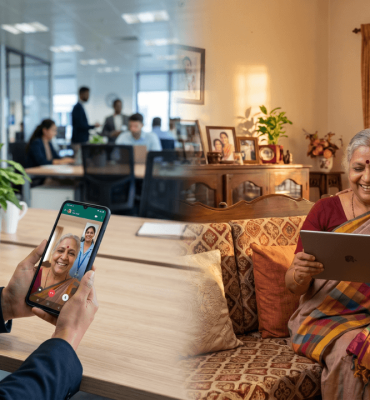
Many families rely on technology to bridge distance. Video calls, emergency buttons, health apps—all of these help.
But technology cannot:
- Notice subtle emotional changes
- Replace human presence
- Respond physically during emergencies
Technology works best alongside human support, not instead of it.
The Hidden Pressure on Seniors Living Alone
Many seniors don’t admit when things get hard. They don’t want to worry their children. They don’t want to appear dependent.
So they adapt silently:
- They move slower
- They skip activities
- They normalize discomfort
From the outside, everything looks “fine.”
From the inside, life may feel smaller.
This is where families often misjudge safety not out of neglect, but out of trust.
How Families Can Assess If It’s Still Safe
Instead of asking, “Are they managing?” ask deeper questions:
- Are routines becoming harder to maintain?
- Are they avoiding activities they once enjoyed?
- Are medical appointments being postponed?
- Is communication becoming less frequent or more strained?
Alternatives to Full-Time Co-Living
The choice isn’t binary between “living alone” and “giving up independence.”
Many seniors do best with layered support:
- Periodic in-home assistance
- Regular wellness check-ins
- Help with meals, medication, or mobility
- Companionship without constant presence
How AgeWell Supports Seniors Living Alone
This is where thoughtful elder care makes a real difference.
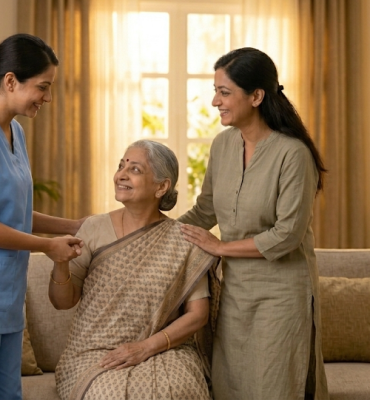
AgeWell Care works with seniors who value independence but need reliable support to live safely. Their approach recognises that most seniors don’t want to be monitored they want to be respected.
AgeWell focuses on:
- Dignity-first caregiving
- Gradual, customized support plans
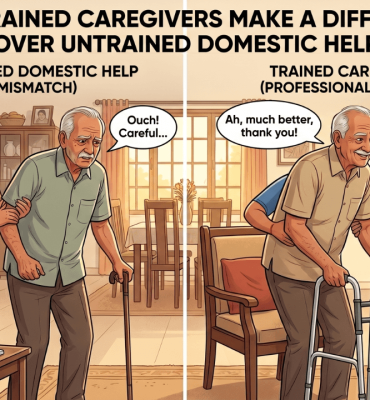
- Trained caregivers who understand boundaries
- Regular check-ins without intrusion
Whether it’s help for a few hours a week or ongoing support, AgeWell allows seniors to continue living in their own homes safely, confidently, and on their own terms.
For families, it offers peace of mind without forcing major life changes.
So, Is It Safe for Seniors to Live Alone in India?
Yes—when the right support systems are in place.
No—when independence is mistaken for isolation.
Safety is not about constant supervision. It’s about preparedness, connection, and timely support. Seniors don’t lose their need for autonomy with age, but they do benefit from thoughtful safety nets.
The real question isn’t “Can they live alone?”
It’s “Are they living alone with enough support?”
Final Thoughts
India’s aging population deserves more than just concern—they deserve choices. Living alone can be a powerful expression of independence, but it should never come at the cost of safety or dignity.
With the right balance of respect, planning, and support, seniors can continue living life on their own terms secure, connected, and cared for.
If your parents or loved ones are living alone and you’re unsure whether their current setup is truly safe, AgeWell Care can help you find the right balance.

Gitali Thakur is the Managing Director & CEO of AgeWell, India’s trusted elder care services brand. With deep expertise in building compassionate care ecosystems, she leads AgeWell’s vision of delivering dignified, reliable, and warm care for seniors and their families. Her insights on elder care, family caregiving, and senior wellness are rooted in years of hands-on leadership in the healthcare and home care space.