

Hospitalization is stressful for anyone. For seniors, it can be disorienting, frightening, and physically exhausting. When family members are nearby, much of this stress is softened by familiar faces, advocacy, and day-to-day support. But for many older adults in India today, family is not always close at hand.
Adult children may live in another city or country. Relatives may be elderly themselves. Some seniors simply do not want to depend on extended family. In these situations, hospitalization becomes more than a medical event. It becomes a test of how well support systems are planned.
Hospitalization support for seniors without family nearby is not a luxury. It is often the difference between safe recovery and prolonged distress. Understanding what this support involves, why it matters, and how it works helps families prepare realistically rather than react emotionally.
Why Hospitalization Is Especially Challenging for Seniors Alone
Hospitals are unfamiliar environments filled with routines, medical language, and constant movement. For seniors, especially those dealing with chronic illness, sensory overload, or anxiety, this environment can be overwhelming.
Without family present, seniors may struggle with:
- Understanding medical instructions
- Communicating symptoms clearly
- Advocating for comfort or pain management
- Keeping track of tests, procedures, and medications
- Managing fear, confusion, or loneliness
Even highly independent seniors can feel vulnerable once admitted. Simple tasks like calling a nurse, arranging personal belongings, or remembering conversations with doctors can become difficult during illness.
Hospitalization support exists to bridge this gap between medical care and human care.
What Hospitalization Support Really Means
Hospitalization support goes far beyond arranging admission or discharge. It involves being a steady, informed presence throughout the hospital stay.
For seniors without family nearby, this support typically includes:
- Assistance during admission and documentation
- Presence during doctor rounds to understand treatment plans
- Help with communication between doctors, nurses, and family
- Monitoring comfort, nutrition, and hygiene
- Emotional reassurance during recovery
- Coordination of discharge and post-hospital care
The Risk of Being Alone During Hospital Stays
When seniors are hospitalized alone, certain risks increase quietly.
Medical teams are busy and focused on clinical care. They may not notice subtle signs of discomfort, confusion, or emotional distress unless someone raises them. Seniors may hesitate to speak up, fearing they are being difficult or demanding.
Without a support person:
- Questions go unasked
- Instructions may be misunderstood
- Discharge plans may be rushed or unclear
- Recovery can feel isolating
These gaps do not come from neglect, but from system limitations. Hospitalization support exists to fill these gaps respectfully.
Admission and Early Hospital Days
The first phase of hospitalization is often the most disorienting. Admission procedures involve forms, medical history, consent, and tests, all while the senior may be in pain or distress.
For seniors without family nearby, support during this phase helps ensure that:
- Medical history and medications are communicated accurately
- Consent processes are handled appropriately
- The senior understands what is happening and why
Support During Treatment and Monitoring
As treatment begins, hospital routines take over. Doctors visit briefly, nurses rotate shifts, and information is shared in pieces.
Hospitalization support ensures continuity. Someone is present to listen, take notes, ask clarifying questions, and observe changes in the senior’s condition. This does not interfere with medical care. It complements it.
For seniors, knowing that someone is consistently checking on them reduces anxiety and improves cooperation with treatment. Emotional reassurance can significantly affect recovery, even though it is not part of clinical protocols.
Communication With Family from a Distance
When family members are far away, communication becomes both essential and challenging. Phone calls may be missed. Medical updates may be confusing. Decisions may need to be made quickly.
Hospitalization support often includes acting as a communication bridge. Updates are shared clearly and promptly. Family members are informed about treatment progress, changes in condition, and next steps.
This transparency reduces panic and allows families to participate meaningfully, even from a distance.
Emotional and Psychological Support
Illness often brings fear, vulnerability, and a sense of loss of control. Seniors without family nearby may feel this more acutely, even if they do not express it openly.
Emotional support during hospitalization includes simple but powerful actions:
- Sitting with the senior during long waits
- Offering reassurance during procedures
- Helping them feel heard and respected
- Maintaining routines where possible
These moments may seem small, but they shape how seniors experience hospital care and recovery.
Discharge Planning and Transition Home
Discharge is one of the most critical and often rushed phases of hospitalization. Instructions are given quickly. Medications change. Follow-up appointments are scheduled.
For seniors alone, this can be overwhelming. Hospitalization support helps ensure that discharge plans are understood and realistic.
Support at this stage may involve:
- Reviewing discharge instructions carefully
- Arranging medications and equipment
- Coordinating transport home
- Planning follow-up care or in-home support
Post-Hospital Care Matters Just as Much
Recovery does not end at discharge. Many seniors need temporary or ongoing support after returning home.
Weakness, confusion, or medication side effects may persist.
Without family nearby, seniors may push themselves too hard or neglect recovery needs. Continued support helps monitor progress, ensure adherence to medical advice, and provide reassurance during the healing period.
Hospitalization support is most effective when it extends beyond the hospital walls.
Why Friends and Neighbors Are Not Enough
Friends and neighbors often step in with good intentions, but they may not be equipped to handle hospital systems, medical decisions, or prolonged involvement.
Hospitalization support requires consistency, availability, and familiarity with healthcare processes. Relying solely on informal help can leave gaps, especially during longer hospital stays or complex treatments.
Professional support fills this space without placing undue burden on community members.
The Growing Need in Modern India
As family structures evolve, the number of seniors hospitalized without nearby family is increasing. Urban migration, international work, and longer life expectancy all contribute to this reality.
Hospital systems have not adapted to provide personal support beyond medical care. This gap is increasingly filled by specialized elder care services that understand both healthcare environments and the emotional needs of seniors.
How AgeWell Supports Seniors During Hospitalization
This is where structured elder care support becomes essential.
AgeWellCare provides hospitalization support designed specifically for seniors who do not have family nearby. Their approach focuses on dignity, clarity, and continuity.
AgeWell caregivers assist seniors through admission, stay present during critical moments, communicate with medical teams, and keep families informed throughout the hospital stay. They also support discharge planning and coordinate post-hospital care so recovery continues safely at home.
The aim is not to replace family, but to ensure that seniors are not alone during one of the most vulnerable periods of their lives.
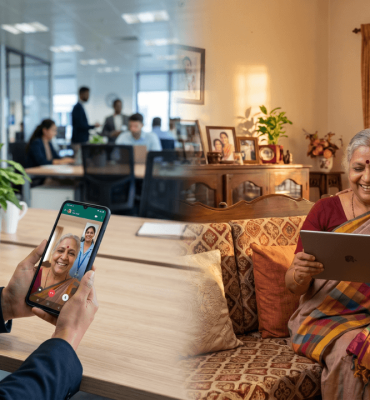
For families living far away, AgeWell offers reassurance that someone responsible and compassionate is locally present. For seniors, it restores a sense of security and human connection.
Planning Hospitalization Support in Advance
Many families only think about hospital support when a crisis occurs. Planning in advance reduces stress and improves outcomes.
Preparation may include identifying who will assist during hospital stays, keeping medical information updated, and partnering with reliable elder care services. These steps allow families to respond calmly rather than urgently.
Preparation protects both seniors and families from unnecessary distress.
Final Thoughts
Hospitalization is not just a medical event. For seniors without family nearby, it is a deeply human experience that requires more than clinical treatment.
With the right support, seniors can navigate hospital stays with dignity, clarity, and reassurance. Families can stay involved, informed, and confident even from a distance.
As India’s aging population grows, hospitalization support will become an essential part of elder care, not an exception.
If your aging parent lives alone or far from family and you are concerned about how they would manage a hospital stay, AgeWellCare can help you put dependable support in place.
Ensure care, comfort, and continuity when it matters most.
Connect with AgeWell today to learn more about hospitalisation support for seniors.

Gitali Thakur is the Managing Director & CEO of AgeWell, India’s trusted elder care services brand. With deep expertise in building compassionate care ecosystems, she leads AgeWell’s vision of delivering dignified, reliable, and warm care for seniors and their families. Her insights on elder care, family caregiving, and senior wellness are rooted in years of hands-on leadership in the healthcare and home care space.