
The lungs work every moment of life, drawing in air, filtering pollutants, and supporting everything from conversation to daily movement. As the years pass, this lifelong exposure to smoke, polluted air, or other respiratory irritants becomes increasingly noticeable, particularly for those who have spent time in such environments.
Chronic obstructive pulmonary disease, or COPD, is one of the major lung conditions that affects older adults. It develops slowly and often without dramatic warning signs, yet it can steadily influence how easily a person moves, talks, or rests. A mild, lingering breathlessness or a persistent cough can gradually grow into a condition that shapes everyday routines.
This article explains what COPD is, how it develops in older adults, the early symptoms to look out for, the factors that increase the risk, and the steps that can help prevent further lung damage, allowing seniors to breathe easier and stay active for as long as possible.
What Is COPD in Older Adults?
Chronic obstructive pulmonary disease is a long-term condition in which the airways become inflamed and narrowed, and the lungs gradually lose their ability to move air in and out efficiently. Two processes play a major role.
One involves chronic bronchitis, where the airways produce excess mucus and swell repeatedly. The other involves emphysema, where the tiny air sacs responsible for oxygen exchange become damaged and lose their elasticity.
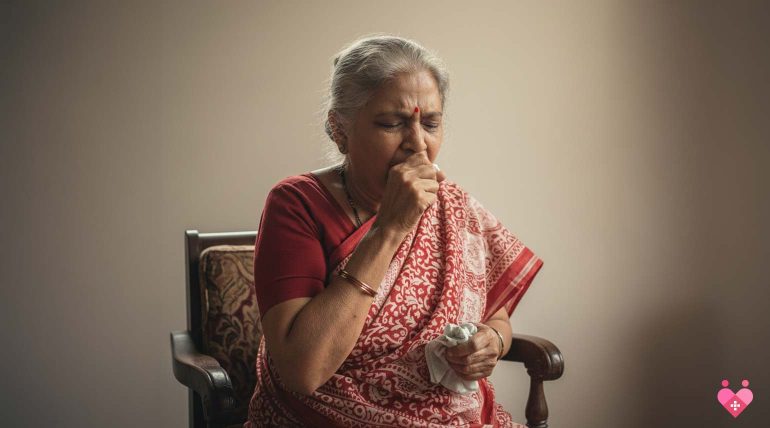
Over time, breathing becomes harder, particularly during activity or emotional stress. The person may feel short of breath even while performing routine tasks. COPD develops slowly, often over years, which is why many older adults do not realize they have it until the symptoms noticeably interfere with daily life.
Why COPD Is a Major Concern for Elders
Age affects the lungs much the same way it affects other organs. Lung tissue becomes less flexible, the respiratory muscles weaken, and the body’s ability to respond to infections or pollutants decreases. When these changes intersect with long-term exposures, the risk of COPD rises sharply in later life.
COPD is a major cause of illness and disability among older adults worldwide. In India, risk is heightened by factors such as long-term exposure to household cooking smoke, pollution in cities, and widespread use of tobacco in various forms. Many older adults who never smoked still develop COPD due to years of inhaling biomass fuel smoke in poorly ventilated kitchens.
Recognizing COPD early helps preserve activity, reduce hospitalization, and improve quality of life. It also allows families to support older adults before small breathing difficulties turn into avoidable emergencies.
How COPD Starts and Progresses Over Time
COPD usually begins silently. Repeated exposure to tobacco smoke, household smoke, polluted air, or occupational dust causes chronic inflammation in the airways. This inflammation narrows the passages and weakens the air sacs, making it harder for oxygen to pass into the bloodstream.
As the condition progresses, the lungs lose elasticity and trap air inside. The person may feel as though they can inhale but struggle to exhale fully. Episodes of worsening symptoms, often triggered by infections or pollution, can accelerate this decline. These episodes are known as exacerbations and play a major role in lung damage over time.
Unlike asthma, which tends to vary from day to day, COPD changes slowly but steadily. The breathlessness, cough, or fatigue that appears mild at first becomes more persistent as the years pass. Identifying this pattern early allows timely treatment to slow progression.
Early COPD Symptoms in Elders
COPD does not always start with obvious breathlessness. The earliest signs often blend into daily life, making them easy to overlook.
Common early signs include:
- A lingering cough that lasts for months
- Frequent throat clearing or chest congestion
- Breathlessness during routine tasks such as climbing a few steps or walking short distances
- Reduced walking speed or avoiding activities that require exertion
- More frequent colds or chest infections
- Waking up at night short of breath
- A wheezing or whistling sound while breathing
- Feeling tired more often, especially after minor activity
Older adults may attribute these changes to ageing or reduced fitness, and many try to manage them silently. Recognizing these signs early encourages timely testing, which is crucial because a COPD diagnosis cannot be confirmed without lung function tests.
Risk Factors That Increase the Chances of COPD
COPD almost always develops due to long-term exposure to irritants that damage the lungs. Some risk factors can be avoided, while others are part of environmental or occupational circumstances.
Important risk factors include:
- Tobacco smoke in any form, including cigarettes, bidis, and hookah
- Long-term exposure to smoke from firewood, charcoal, or other biomass fuels
- Air pollution, especially in high-traffic or industrial areas
- Occupational exposure to dust, chemicals, or fumes
- Recurrent respiratory infections during childhood or adulthood
- Long-standing asthma or airway sensitivity
- Second-hand smoke exposure in the home
- Genetic factors such as alpha-1 antitrypsin deficiency, although rare
In India, household smoke from cooking fuels remains one of the most significant contributors to COPD, especially among women who spend decades cooking in unventilated spaces. Urban pollution adds another layer of risk for older adults living in crowded cities.
How COPD Is Diagnosed in Older Adults
Diagnosis begins with understanding the person’s symptoms and exposure history. A doctor will ask about breathlessness, cough, sputum production, activity tolerance, and any past or ongoing exposure to tobacco smoke, household smoke, or occupational pollutants. These details form the foundation for deciding which tests are needed.
The most important test for diagnosing COPD is spirometry. This simple breathing test measures how much air a person can blow out and how quickly they can do so. COPD is confirmed when airflow remains limited even after using a bronchodilator. Spirometry also helps determine how advanced the condition is.
Additional assessments may include:
- A chest X-ray is needed if other causes of symptoms need to be ruled out
- Pulse oximetry to check oxygen levels
- Blood tests to identify underlying conditions or complications
- Occasionally, a CT scan is performed if there are unusual findings
A key challenge is that some older adults are never offered spirometry, either because symptoms are dismissed as ageing or because access is limited in some regions. Early and accurate diagnosis makes a significant difference in preventing further lung damage.
How to Prevent Lung Damage in COPD
Stop Tobacco
- Quitting smoking at any age slows further lung damage.
- Avoiding second-hand smoke at home or in shared spaces protects vulnerable lungs.
- Reducing exposure to bidis, hookah, and other traditional forms of tobacco is equally important.
Improve Indoor Air Quality
- Shift to cleaner cooking fuels when possible.
- Increase kitchen ventilation by keeping windows open or using exhaust systems.
- Reduce indoor pollutants such as incense, mosquito coils and strong chemical cleaners.
Minimize Outdoor Pollution Exposure
- Avoid outdoor activity during high-pollution hours.
- Use well-fitted masks in crowded or traffic-heavy areas.
- Keep windows closed during peak pollution levels to limit indoor contamination.
Stay Up to Date with Vaccinations
- Annual influenza vaccination helps prevent infections that worsen COPD.
- Pneumococcal vaccination reduces the risk of severe lung infections.
Strengthen Lung Capacity Through Movement
- Gentle daily walking supports better oxygen use and improves stamina.
- Breathing exercises help reduce breathlessness and improve airflow.
- Light stretching keeps chest muscles flexible.
Act Early During Infections
- Seek prompt care for cough, fever, or congestion.
- Timely antibiotics or antivirals (when required) prevent small infections from turning into major exacerbations.
Use Medications as Directed
- Consistent use of prescribed inhalers prevents inflammation and reduces flare-ups.
- Regular checks of inhaler technique ensure medication reaches the lungs effectively.
Reduce Household Triggers
- Limit dust by cleaning surfaces regularly.
- Avoid smoking inside the home.
- Keep bedding, carpets, and curtains clean to reduce allergen buildup.
Pulmonary Rehabilitation, Vaccination, And Respiratory Therapies
Pulmonary rehabilitation is one of the most effective ways to improve breathing and overall functioning in people with COPD. It combines supervised exercise, breathing techniques, education, and emotional support. Research consistently shows that pulmonary rehabilitation reduces breathlessness, improves endurance, and lowers the risk of hospitalization.
Vaccinations also play a protective role. Influenza and pneumococcal vaccines reduce the likelihood of infections that can trigger severe exacerbations.
Additional therapeutic support may involve:
- Long-acting bronchodilators
- Inhaled corticosteroids for selected individuals
- Oxygen therapy is used when oxygen levels remain low
- Nebulization during flare-ups
- Respiratory physiotherapy for mucus clearance
Access remains a challenge in many parts of India, especially for pulmonary rehabilitation. Community-based models, home-based exercises, and caregiver-guided routines can fill this gap effectively when formal programs are not easily available.
COPD With Other Health Conditions in Older Adults
COPD in later life rarely exists alone. Many older adults live with conditions such as heart disease, diabetes, hypertension, or arthritis, and these can make breathing difficulties feel more intense.
When the lungs struggle, the heart works harder. When fatigue sets in, existing mobility limitations feel heavier. This interplay affects day-to-day comfort and requires thoughtful attention.
Certain concerns deserve closer observation:
Cardiac Strain: Breathlessness is not always only from COPD. Heart conditions, especially heart failure, may coexist and influence symptoms.
Osteoporosis: Long-term corticosteroid use, inactivity, and nutritional deficiencies increase the risk of weak bones, making falls or fractures more likely.
Anxiety: Breathlessness can feel frightening. Some older adults worry about being a burden or fear experiencing sudden breathlessness alone. Emotional well-being is closely linked to respiratory health.
Cognitive Challenges: Memory difficulties can make inhaler use inconsistent. Families may need to supervise medications or create reminders.
Key Points to Remember About COPD
- COPD is common in older adults and often mistaken for natural ageing.
- Early symptoms such as chronic cough, breathlessness, and reduced activity should not be ignored.
- Smoking, biomass fuel exposure, and pollution remain major risk factors.
- Spirometry is an essential test for accurate diagnosis.
- Preventing lung damage requires consistent habits such as smoke avoidance, vaccinations, and early treatment of infections.
- Daily management with proper inhaler use, breathing exercises, and good nutrition improves comfort and independence.
- Emotional well-being, safety at home, and proper support make COPD more manageable.
AgeWell Care Support for Elders Living with COPD
When managing a long-term condition becomes a list of small, daily tasks, families need practical help that fits seamlessly into their lives.
At AgeWell, we assist with everything families commonly find hard to coordinate: routine care, medical needs, equipment, and emergency response, so the older loved one stays safe, and the family can focus on time together.
We offer a single coordinated service package tailored to the person’s needs:
- Wellness Attendant: Day-to-day companionship, routine help, observation of subtle changes.
- Wellness Manager: Personalized care planning, family liaison, and regular progress checks.
- Doctor On Call: Timely clinical advice to reduce unnecessary hospital visits.
- 24×7 Ambulance Service: Fast response when urgent transport is required.
- Medicine Supply: Reliable delivery and refill management to ensure doses are not missed.
- Medical Equipment on Rent: Access to essentials such as nebulizers, commodes, and oxygen support when prescribed.
- Value-Added Services: Flexible extras chosen to match energy levels, mobility, and comfort.
We coordinate these elements so families do not have to. If you would like a short, no-obligation care review for an older loved one, we can help map out exactly what matters next.
Talk To an AgeWell Care Specialist. Connect With Us.

Dr. Dipanjan Chatterjee is the Medical Director at AgeWell™ and a Senior Consultant in Critical Care Medicine at Kolkata, with over 20 years of clinical experience. He holds an MD in Anaesthesiology, FNB in Cardiac Anaesthesiology, FECMO, a Certification in Geriatric Medicine (CCGMG), and an Executive Program in Healthcare Management from IIM Kolkata. His articles on senior health, geriatric care, and age-related conditions are grounded in deep clinical expertise and decades of frontline medical practice.