
When grocery shopping gets harder or cooking every day feels like a chore, ready-to-eat food can seem like a blessing. Tear open a pack, heat it for a minute, and meals are done, no peeling, chopping, or waiting by the stove.
But the real question families often ask is: Are these convenient foods actually healthy for seniors?
It’s a fair concern, especially when nutrition, digestion, and immunity play such crucial roles in ageing well.
Let’s unpack what “ready-to-eat” really means, the benefits and drawbacks for older adults, and how to make better, safer choices when it comes to ready-to-eat healthy food options.
The Rise of Ready-to-Eat Foods
In the last decade, ready-to-eat food packets have taken center stage in modern kitchens. Whether it’s dals and pulao, soups, cereals, or curries, there’s something for every meal and every mood.
For seniors living alone, or families supporting ageing parents remotely, these packets appear convenient and reliable. The ease of storage, long shelf life, and speed make them ideal for quick meals when cooking from scratch isn’t possible.
However, convenience often comes with confusion. Not all ready-to-eat food is created equal. Some are packed with nutrients, others with preservatives and salt. Understanding what’s inside those glossy pouches is the first step to making them work for health, not against it.
Why Ready-to-Eat Foods Appeal to Seniors
For elderly individuals, daily cooking can pose physical and emotional challenges. Stiff joints, lower stamina, and weaker eyesight can make meal preparation stressful.
That’s where healthy, ready-to-eat food can play a positive role. It brings back independence, allowing seniors to eat on their own schedule, without waiting for assistance or skipping meals out of fatigue.
Here’s what many seniors appreciate about ready-to-eat foods:
- No kitchen fatigue: Heating food instead of cooking it saves energy and effort.
- Quick access: Even if appetite fluctuates, meals are always available on hand.
- Consistency: Packaged meals can offer predictable taste, texture, and portion sizes.
- Safety: For those prone to forgetfulness, shorter cooking steps mean fewer risks like gas leaks or burns.
Used wisely, ready-to-eat options can genuinely support dignified, independent living. The key lies in thoughtful selection.
The Hidden Side: What to Watch Out For
It’s easy to assume every ready-to-eat healthy food label equals nutrition, but that’s rarely the full story. Many brands still cater to general consumers, not specifically to seniors with delicate digestive systems or chronic conditions.
- Excess Salt (Sodium): Excessive sodium is one of the biggest downsides. It enhances flavor but can raise blood pressure and lead to fluid retention, which is problematic for anyone managing hypertension or kidney issues.
- High Preservative Content: To extend shelf life, some packets rely on chemical preservatives. While most are food-safe, frequent intake can strain the liver or cause sensitivity reactions. Always check ingredient labels for names like sodium benzoate, nitrates, or sulfites.
- Refined Oils and Sugars: Many instant curries and gravies use palm or hydrogenated oils. Others hide added sugars in sauces and ready mixes. These make food taste great, but also increase cholesterol and blood sugar risks.
- Loss of Natural Texture and Fiber: Processing can strip out natural fiber, which is important for digestion and gut health. Ready-to-eat options with white rice, refined flour, or pureed textures may fill the stomach but not nourish it adequately.
That’s why healthy ready-to-eat food choices should go beyond convenience, focusing instead on wholesome nutrients that truly support ageing bodies.
What Makes a Ready-to-Eat Food Healthy?
Before you fill the pantry, here’s what defines genuinely ready-to-eat healthy food for seniors.
- Low Salt, Low Sugar: Look for meals labeled “low-sodium,” “diabetic friendly,” or “heart healthy.” These are usually crafted with balanced seasoning and healthier oils.
- High Protein, Adequate Fiber: Protein helps maintain muscle, while fiber keeps digestion smooth. Lentil-rich meals, millet khichdis, or mixed bean soups are great examples.
- Fortified with Vitamins or Minerals: Many modern ready-to-eat food packets now include vitamin D, iron, or calcium, which are especially beneficial for seniors with weaker bones or fatigue.
- Natural Ingredients: Choose brands that highlight “no artificial preservatives,” “cold-pressed oil,” or “100% natural ingredients.” Shorter ingredient lists usually mean cleaner nutrition.
- Slim Portion Sizes: Lighter packaging helps avoid overeating, a subtle but important factor for those managing weight, blood sugar, or reduced metabolism.
Tips to Make Ready-to-Eat Foods Healthier
You don’t need to give up convenience to eat well. Here’s how to make ready-to-eat food safer and more supportive of long-term health:
- Always read nutrition labels: Watch sodium, sugar, and fat percentages. Anything above 15% daily value per serving is on the higher side.
- Pair smartly: Combine a ready meal with a side of fresh salad, curd, or fruit. It adds fiber and vitamins missing from packet meals.
- Stay hydrated: Processed foods can dehydrate. Encourage at least 6–8 glasses of water daily unless medically restricted.
- Don’t rely on packets daily: Keep them as helpful backups, not primary meals. Alternate with fresh home-cooked options, soups, or porridges.
- Monitor digestion: Notice how your system reacts after having retail-ready-to-eat food packets. Bloating or acid reflux may mean your body needs simpler, fresher alternatives.
- Seek variety: Rotate cuisines and brands to balance taste fatigue and nutrition diversity.
When Ready-to-Eat Foods Make Sense
Convenience meals can play a crucial role during certain times or conditions:
- After surgery or illness: When cooking feels impossible, soft and mild ready meals ensure nutritional continuity.
- Living alone: Seniors managing alone can access instant nourishment without compromising safety.
- Travel or emergencies: Whether on a train journey or recovering from seasonal flu, these foods keep meals worry-free.
- Caregiver relief: Families or caregivers can focus on medical and emotional care, knowing meals are taken care of.
In many ways, ready-to-eat food can be a bridge offering comfort and stability until the elder regains strength or normal appetite.
Adding Instant Energy Foods to Daily Diets
Alongside convenience, seniors also need sustained energy throughout the day. That’s where instant energy food for old age, like nuts, dates, energy bars, or fortified porridge mixes, can complement lighter meals.
When paired with ready-to-eat healthy food, these snacks maintain steady sugar levels and support alertness. For underweight or anaemic seniors, instant energy snacks also help meet daily calorie needs without heavy meals.
Emotional Aspect: More Than Just Food
Beyond nutrition, food has heart. For seniors, it’s not just about filling the stomach—it’s about memory, comfort, and connection.
A steaming bowl of ready-made khichdi might remind someone of home-cooked meals shared decades ago. A packet of soup could mean independence on tough days. When families send healthy, ready-to-eat meals to ageing parents, it carries emotional reassurance: “You’re cared for, even if we’re far away.”
And that emotional nourishment matters as much as physical health.
How Families Can Support Smart Choices
Families often want to help but might not always know what’s best to stock up. Here’s how you can help an elder loved one make balanced choices:
- Review their weekly intake. Keep ready-to-eat food packets as backup meals for low-energy days.
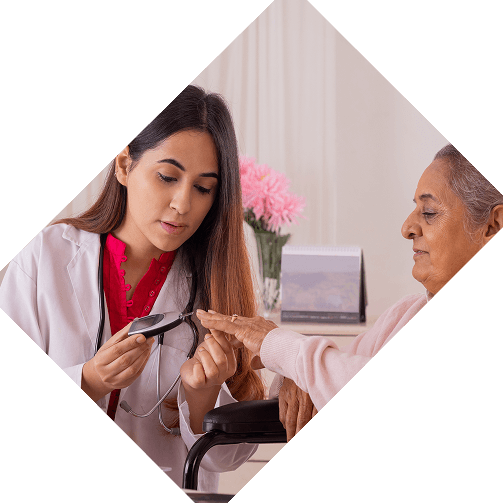
- Discuss medical needs with a nutritionist or caregiver to ensure no food ingredient interferes with medications.
- Order from trustworthy brands or local suppliers known for freshness and safety.
- Teach label reading to highlight sodium, sugar, and oil content so loved ones can understand what they consume.
- Encourage emotional connection: maybe share a meal virtually or dine with them once a week.
At AgeWell, we’ve seen that when elders feel supported in food-related decisions, they maintain better appetite, emotional well-being, and overall health.
Combining Ready-to-Eat Meals with Elder Care Support
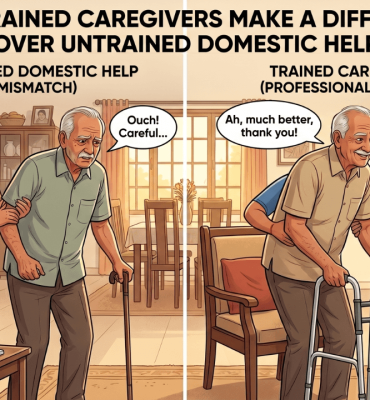
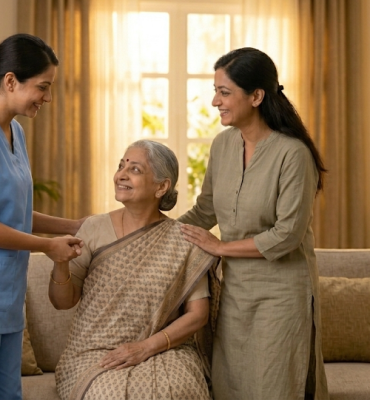
Convenience is important, but consistent care is essential. That’s where professional home caregivers make all the difference.
Trained personnel can:
- Help reheat or portion ready meals correctly.
- Track nutrition intake and hydration.
- Suggest meal rotation for variety and balance.
- Educate families on how to prepare healthy food plans.
For families seeking holistic, compassionate support, choosing professional elder care services in Kolkata through AgeWell ensures seniors not only eat safely but also live joyfully—with companionship, dignity, and warmth.
The Gentle Balance Between Convenience and Care
There’s no harm in choosing ready-to-eat food as long as it’s done mindfully. Like most modern conveniences, its impact depends on how you use it.
Cooking from scratch may feel irreplaceable, but with the right selection, healthy ready-to-eat food can complement, not compromise, an elder’s diet. The goal isn’t to eliminate effort, it’s to preserve health, independence, and the simple joy of good meals.
Food is, after all, one of life’s greatest pleasures, and with thoughtful choices, that pleasure can stay a lifelong companion.
About AgeWell
At AgeWell Care, we believe ageing should be comfortable, dignified, and filled with care that understands both body and heart. Our professional caregivers assist seniors with daily activities, meal support, and emotional companionship right at home. Whether it’s nutritional guidance, mobility help, or health monitoring, we ensure every elder is cared for with empathy and expertise.
Looking for trusted elder care and daily support for your loved one? Contact AgeWell Care for personalized home care services to help seniors live healthier and more independent lives.

Dr. Dipanjan Chatterjee is the Medical Director at AgeWell™ and a Senior Consultant in Critical Care Medicine at Kolkata, with over 20 years of clinical experience. He holds an MD in Anaesthesiology, FNB in Cardiac Anaesthesiology, FECMO, a Certification in Geriatric Medicine (CCGMG), and an Executive Program in Healthcare Management from IIM Kolkata. His articles on senior health, geriatric care, and age-related conditions are grounded in deep clinical expertise and decades of frontline medical practice.