

Cardiovascular diseases claimed 19.8 million lives worldwide in 2022, accounting for nearly 32% of all global deaths, according to the World Health Organization. In India, these conditions drive about 31% of total mortality, striking hardest among older adults, where age-related changes amplify the danger.
For seniors, the risk and impact of heart disease are magnified. Age-related changes, combined with common chronic conditions and lifestyle patterns, make older adults particularly vulnerable.
This article provides a clear look at heart disease in older adults, what drives it as age advances, why seniors become especially vulnerable, and vital early signs that can prevent strokes or heart failure from stealing quality years.
Heart Disease Explained
Heart disease is an umbrella term that covers several conditions affecting either the heart itself or the blood vessels that supply it. Some of the most common include:
- Coronary Artery Disease (CAD): This happens when plaque builds up inside the arteries that carry blood to the heart muscle. As the space narrows, the heart receives less oxygen-rich blood, which raises the risk of chest pain and heart attacks.
- Heart Failure: With age or long-term strain, the heart muscle becomes weak or stiff. It cannot pump enough blood to meet the body’s needs, causing fatigue, breathlessness, and swelling.
- Arrhythmias: These are irregular heart rhythms such as atrial fibrillation. They cause the heart to beat too fast, too slow, or unevenly. For seniors, this can increase the risk of stroke and worsen overall heart function.
- Valve Diseases: The heart’s valves may stiffen, thicken, or leak as people age. When valves don’t open or close properly, the heart has to work harder to push blood through.
- Peripheral Artery Disease: When arteries in the legs or other parts of the body become narrow or hardened, blood flow is reduced. This can lead to pain, slower wound healing, and mobility issues.
Key Symptoms of Heart Disease in Older Adults
Ageing changes the body’s physiology; long-standing conditions, such as diabetes, alter nerve function, and pain pathways become less sensitive to stimuli.
Reduced nerve sensitivity with age
- Pain perception naturally declines as people grow older, and the nerves that usually send alarm signals during a heart attack may not fire as strongly.
- Chest pain can feel mild, vague, or be completely absent, so the problem appears instead as breathlessness, weakness, or a general sense of unease.
- This is one reason silent heart attacks are more common in older adults.
Diabetes blunts warning signs
- Long-standing diabetes, common in seniors, can cause autonomic neuropathy, which damages the nerves that control heart rate, digestion, and pain responses.
- Heart attacks may show up as unexplained fatigue, sweating, nausea, or confusion rather than obvious chest pain.
- Many diabetic seniors downplay these signs because they do not feel “severe” or dramatic.
Atypical symptom patterns in older bodies
Because circulation, metabolism, and the nervous system change with age, heart disease in seniors often appears as:
- Sudden confusion or changes in thinking
- Discomfort in the upper abdomen that feels like indigestion
- Unusual tiredness with familiar tasks
- Mild but persistent breathlessness during routine activities
Symptoms That Should Never Be Ignored
Even with muted signaling, the classic signs of heart disease still matter, especially if they start suddenly, worsen over a few days, or feel new and out of character.
Chest pain or pressure
- Often described as heaviness, tightness, squeezing, or a “band” around the chest rather than sharp pain.
- Discomfort may spread to the neck, jaw, shoulders, arms, or back.
- Any chest sensation that lasts more than a few minutes, comes and goes, or appears with exertion and eases with rest needs urgent medical review.
Shortness of breath
- For seniors, breathlessness is often a more reliable warning sign than chest pain.
- Red flags include:
- Feeling out of breath during mild activity (like walking across a room or climbing a few stairs).
- Needing extra pillows to sleep comfortably.
- Waking up at night suddenly, gasping for air.
- These can point to heart failure or reduced blood flow to the heart muscle.
Palpitations
- A racing, fluttering, or irregular heartbeat may signal arrhythmias such as atrial fibrillation, which greatly increases stroke risk.
- Palpitations that are new, persistent, or accompanied by dizziness or breathlessness should not be ignored.
Pain in the jaw, arm, back, or upper abdomen
- Because pain pathways change with age, the brain may “feel” heart-related pain in other regions instead of the chest.
- Aching or pressure in the jaw, shoulders, arms, between the shoulder blades, or upper abdomen can all be heart-related, especially if triggered by exertion.
Sudden dizziness or fainting
- Brief blackouts, near-fainting, or sudden severe dizziness can indicate:
- Dangerous heart rhythm disturbances.
- Sudden changes in blood pressure.
- Reduced blood flow to the brain.
- These episodes warrant immediate assessment, as they are often early markers of serious cardiac problems.
Atypical Symptoms That Often Go Unnoticed
In older adults, atypical symptoms can be more common than the textbook ones. Treat these subtle changes as important signals, especially when they are new or worsening.
Unexplained fatigue
- One of the earliest and easiest signs to shrug off.
- When the heart’s pumping ability declines, muscles and organs receive less oxygen, and even small tasks can feel exhausting.
- A senior who suddenly cannot manage routine chores that once felt easy may be showing early heart failure or coronary disease.
Indigestion-like discomfort
- Reduced blood flow to the heart can mimic digestive issues.
- Seniors may complain of:
- Upper abdominal pain or pressure.
- A burning sensation in the chest or upper stomach.
- Nausea, belching, or a “gassy” feeling.
- This is often mistaken for acidity or reflux, particularly in older women.
New or worsening confusion
- The brain is very sensitive to drops in blood flow.
- Early heart failure or rhythm problems can trigger:
- Disorientation or getting unusually mixed up.
- Memory lapses that come on quickly.
- Sudden agitation or unusual irritability.
- Difficulty focusing on simple tasks.
- These shifts should not be dismissed as “just ageing,” especially when they appear suddenly or during illness.
Sudden sleep changes
- Waking up short of breath, needing to sit up to breathe, or experiencing very fragmented sleep can signal fluid buildup in the lungs or worsening heart failure.
- Partners may notice loud snoring, gasping, or pauses in breathing that point to sleep apnea—another risk factor for heart disease.
Swelling in legs, ankles, or feet
- When the heart cannot pump effectively, fluid backs up in the circulation and leaks into tissues.
- Swelling that:
- Appears around the ankles, feet, or lower legs.
- Worsens by evening and improves after elevating the legs or overnight.
- It is accompanied by weight gain over a few days.
- These are classic early signs of heart failure and need prompt medical attention.
Loss of appetite and early fullness
- Poor circulation and fluid overload can affect the digestive system.
- Seniors may feel full after a few bites, lose interest in food, or complain of vague abdominal discomfort.
- When appetite changes come along with fatigue, swelling, or breathlessness, they may point more to the heart than the stomach.
Stroke-Like Symptoms Linked to Heart Problems
Heart disease and stroke are tightly connected, particularly through atrial fibrillation (AFib), an irregular rhythm that allows blood to pool and form clots inside the heart. These clots can travel to the brain and block blood flow, causing a stroke.
Warning signs of a possible stroke include:
- Weakness or numbness on one side of the body
- Sudden difficulty lifting an arm, holding objects, or walking steadily on one side.
- Slurred or unclear speech
- Trouble finding words, forming sentences, or understanding what others are saying.
- Sudden vision changes
- Blurred vision, double vision, or loss of sight in one or both eyes.
- New, severe headache
- Intense headache with no clear cause, especially if paired with dizziness, confusion, or weakness.
- Intense headache with no clear cause, especially if paired with dizziness, confusion, or weakness.
AFib and stroke risk in older adults
- Even brief or intermittent episodes of AFib can significantly increase stroke risk.
- In seniors, AFib may feel like:
- Sudden pounding, fluttering, or irregular heartbeats.
- Unexplained fatigue.
- Lightheadedness or near-fainting spells.
Why Heart Disease Progresses Faster in Seniors
Heart disease doesn’t just appear more often in older adults; it also advances more quickly because aging affects every component of the cardiovascular system.
Age-Related Changes in the Heart
As people age, the heart undergoes predictable changes in both its structure and function. These shifts make the heart more susceptible to strain, plaque buildup, arrhythmia, and heart failure.
Thickened heart walls
With age, the left ventricle often becomes thicker as it works harder against stiffened arteries and higher blood pressure.
- A thicker wall sounds strong, but it reduces the heart’s ability to relax fully.
- This leads to diastolic dysfunction, a common cause of heart failure in seniors.
Reduced pumping efficiency
The heart loses some of its elasticity and ability to contract forcefully.
- The heart ejects less blood with each beat.
- Lower cardiac output means organs receive less oxygen, especially during stress or activity.
Slower electrical conduction
The heart’s electrical system also ages.
- Conduction pathways become fibrotic and slow down.
- Seniors are more prone to arrhythmias like atrial fibrillation and heart block.
Impact of Other Chronic Conditions
Chronic illnesses become more common after 60, and they interact with heart disease in ways that worsen symptoms, accelerate plaque buildup, and reduce treatment success.
Diabetes
- Damages blood vessels
- Causes autonomic neuropathy (masking symptoms)
- Increases inflammation and cholesterol abnormalities
Hypertension
Long-standing high blood pressure causes the arteries to stiffen, forcing the heart to work harder.
- Leads to left ventricular hypertrophy
- Hastens heart failure development
COPD (Chronic Obstructive Pulmonary Disease)
- Low oxygen levels strain the heart
- Raises pressure in lung arteries (pulmonary hypertension)
Kidney disease
- Poor kidney function causes fluid retention
- Sodium buildup strains the heart
- Increases blood pressure
Arthritis and immobility
Joint pain and reduced mobility cause inactivity.
- Inactivity weakens heart muscles
- Encourages weight gain and poor circulation
- Raises risk of blood clots
What Raises Heart Disease Risk After 60
Heart disease after 60 is shaped by a mix of biological, lifestyle, and cultural factors.
Non-Modifiable Factors
These cannot be changed, but knowing them helps identify seniors who need closer monitoring.
Age
Risk rises sharply after 60 because of arterial stiffness, years of wear, and cumulative exposure to high blood pressure and metabolic issues.
Family history
If a parent or sibling had early heart disease, the risk increases, especially if they experienced heart attacks or strokes before 55 (men) or 65 (women).
Post-menopausal shifts
After menopause, estrogen levels drop.
- Estrogen helps protect blood vessels
- Its loss leads to higher LDL cholesterol, artery stiffening, and inflammation
Modifiable Lifestyle Factors
These factors can meaningfully reduce or accelerate risk even in older age.
High salt and sugar intake
- Salt increases blood pressure
- Sugar worsens insulin resistance and triglycerides
Both contribute to plaque buildup and heart failure.
Physical inactivity
Inactivity leads to:
- Poor circulation
- Reduced muscle strength
- Weight gain
- Higher blood pressure
Even light daily movement lowers risk.
Alcohol and tobacco
- Alcohol weakens heart muscles
- Tobacco stiffens arteries and reduces oxygen supply
Smoking is one of the fastest accelerators of cardiovascular decline.
Poor sleep quality
Sleep apnea, insomnia, and fragmented sleep cause:
- Surges in night-time blood pressure
- Higher stress hormone levels
- Increased inflammation
These directly worsen heart health.
Unmanaged stress and social isolation
Loneliness, common among seniors, increases inflammation and lowers motivation for healthy habits.
India-Specific Triggers
Heart disease often appears earlier and progresses faster in Indians due to genetic, dietary, and behavioral patterns.
High rates of hypertension and diabetes
India has one of the highest burdens of both diseases.
Many seniors unknowingly live with them for years before diagnosis.
Typical diets are high in sodium and refined carbs
Pickles, papad, packaged snacks, and refined wheat diets contribute to:
- higher blood pressure
- insulin resistance
- unhealthy cholesterol levels
Undiagnosed metabolic syndrome in adults 60+
Waist fat, high triglycerides, borderline sugar, and borderline blood pressure often go unnoticed.
These combine to increase heart disease risk even if the individual “feels fine.”
Cultural tendency to ignore early symptoms
Many seniors dismiss fatigue, indigestion, or shortness of breath as aging.
This delays medical evaluation and leads to more advanced disease by the time help is sought.
Heart Disease Prevention for Seniors
Preventing heart disease after 60 is not about extreme routines or complicated diets. It is about consistent, medically backed habits that protect blood vessels, support heart function, and catch early warning signs before they turn into emergencies.
Daily Lifestyle Habits That Protect the Heart
Healthy living for older adults must account for mobility limits, chronic conditions, and changing nutritional needs. These daily habits form the foundation of heart protection:
Balanced, senior-friendly diet
A diet rich in vegetables, fruits, whole grains, lentils, nuts, and lean proteins reduces inflammation and plaque buildup.
- Limit salt by reducing pickles, papad, packaged foods, and restaurant gravies.
- Include high-fiber foods like oats and millets to support cholesterol control.
- Choose proteins that are easy to digest, such as eggs, fish, curd, dal, tofu, or soft-cooked chicken.
Activity goals that match physical ability
Older adults do not need intense workouts.
- Aim for 150 minutes of weekly movement walking, cycling, swimming, or gentle aerobics.
- For joint issues, chair exercises or water-based activities can help maintain strength without strain.
Strength training twice a week
Simple resistance exercises improve muscle mass, balance, and heart efficiency.
- Use light dumbbells, resistance bands, or body-weight movements.
- Even 10–15 minutes can improve circulation and stability.
Adequate hydration
Many seniors drink too little water, leading to thicker blood, higher heart strain, and dizziness.
- Aim for 1.5–2 liters daily unless restricted for kidney or heart failure.
Good sleep hygiene
Quality sleep regulates blood pressure, reduces inflammation, and stabilizes heart rhythms.
- Maintain consistent sleep schedules.
- Manage sleep apnea, which significantly increases heart attack and stroke risk.
How AgeWell Supports Seniors Living with Heart Disease
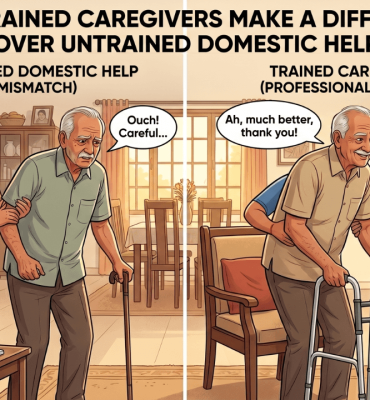
If your loved one is living with a chronic condition, the right support can make everyday life feel lighter and safer. AgeWell Care connects seniors with trained caregivers who understand how to care for people managing heart disease, diabetes, arthritis, mobility limitations, and other long-term health concerns.
Whether someone needs help monitoring symptoms, sticking to their medication routine, preparing condition-friendly meals, or simply moving around their home without fear of injury, a dedicated caregiver can step in with confidence and compassion.
For families, this means less worry about missed medications, dietary slips, or silent warning signs. For seniors, it means being cared for by someone who knows exactly what to look for and how to respond while still protecting their independence, comfort, and dignity.
With AgeWell Care, your loved one doesn’t just get assistance. They get a personalized circle of support designed around their medical needs and their everyday routine.
A Quick Recap
| Topic | Key Takeaways |
| What Heart Disease Means in Seniors | Heart disease in older adults often develops gradually, affecting how efficiently the heart pumps blood. Age-related blood vessel stiffness, lifestyle factors, and chronic conditions play a major role. |
| Common Signs and Symptoms | Fatigue, chest discomfort, breathlessness, dizziness, swelling in legs, irregular heartbeat patterns, and reduced exercise tolerance. Symptoms are often subtle in seniors. |
| Major Risk Factors | High blood pressure, high cholesterol, diabetes, smoking, obesity, a sedentary lifestyle, chronic stress, and family history. Risk increases with age, especially after 65. |
| How Heart Disease Is Diagnosed | Blood tests, ECG, ECHO, stress tests, Holter monitoring, cardiac imaging, and routine screenings that detect issues early. |
| Daily Lifestyle Prevention Strategies | Heart-friendly diets, senior-modified physical activity, proper hydration, good sleep hygiene, and maintaining a healthy weight. Small, steady habits matter more than perfection |
| Medical Prevention & Monitoring | Regular BP checks, annual cholesterol and diabetes screenings, adherence to medications, arrhythmia monitoring, and timely ECG/ECHO assessments. Home devices help track trends. |
| Emotional & Social Well-being | Loneliness and isolation increase heart disease risk by about 30 percent. Staying connected, mentally stimulated, and emotionally supported protects cardiovascular health. |
| When to Seek Emergency Care | Sudden chest pain, severe shortness of breath, fainting, acute confusion, rapid leg swelling, or signs of heart attack or stroke. Timely action can save heart muscle and prevent disability |
Frequently Asked Questions
Fatigue after light tasks, shortness of breath on stairs, leg swelling, or indigestion-like discomfort often signal trouble before classic chest pain appears.
Yes, seniors frequently experience silent or atypical heart attacks with breathlessness, confusion, nausea, or weakness instead of sharp chest pain.
Diabetes damages nerves (autonomic neuropathy), blunting pain signals so heart issues show as fatigue, sweating, or vague unease rather than obvious alerts.
Swelling in ankles/feet that worsens in the evenings, improves with elevation, or pairs with breathlessness points to heart failure—seek prompt checks.
Yes, sudden disorientation, memory lapses, or agitation can stem from reduced brain blood flow due to early heart failure or arrhythmias.
Palpitations like fluttering or racing beats, dizziness, unexplained fatigue, or near-fainting raise stroke risk sharply if untreated.
Women often report indigestion, upper back/jaw pain, nausea, or extreme tiredness rather than chest pressure, delaying recognition.
Cut salt (less papad/pickles), walk 30 minutes daily, eat fruits/veggies/dal, stay hydrated, and prioritize sleep—small habits slash risk 30%.
Absolutely—tobacco stiffens arteries instantly, worsens plaque, and spikes heart attack odds even after decades of use.
It thickens heart walls, stiffens arteries, and strains the heart over the years, leading to failure without early symptoms.
Sleep apnea or insomnia spikes nighttime pressure and inflammation, doubling heart failure and stroke risks, check snoring/gasping.

Dr. Dipanjan Chatterjee is the Medical Director at AgeWell™ and a Senior Consultant in Critical Care Medicine at Kolkata, with over 20 years of clinical experience. He holds an MD in Anaesthesiology, FNB in Cardiac Anaesthesiology, FECMO, a Certification in Geriatric Medicine (CCGMG), and an Executive Program in Healthcare Management from IIM Kolkata. His articles on senior health, geriatric care, and age-related conditions are grounded in deep clinical expertise and decades of frontline medical practice.