
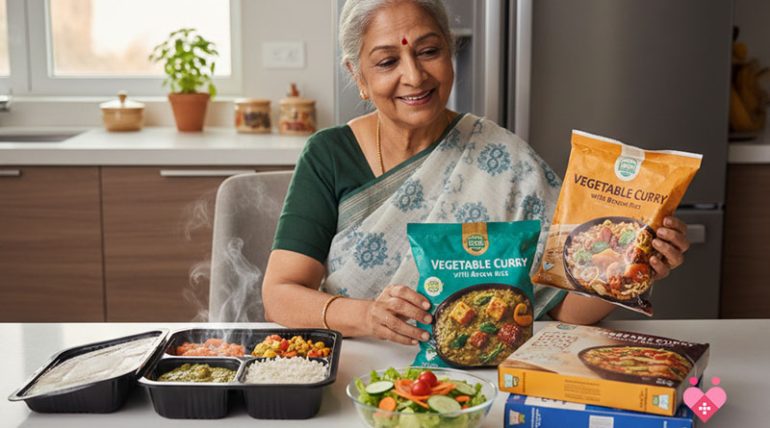
Walk into any supermarket today, and you’ll see aisles filled with colorful packets of frozen food products. From frozen peas and fish fillets to ready-to-heat soups and full meals, the convenience is undeniable. For seniors, who may find daily cooking tiring or time-consuming, these foods can seem like a simple lifesaver.
But one question lingers in every family’s mind: Are frozen foods as nutritious and safe as they claim to be?
With so many choices and confusing nutritional labels, it’s easy to feel unsure. Let’s unpack what frozen foods really offer, when they help, and what to watch out for especially if you’re caring for an older loved one.
Why Frozen Food Appeals to Seniors
Cooking can become challenging with age. Whether it’s joint stiffness, poor eyesight, or low energy, preparing balanced meals from scratch isn’t always easy. That’s where frozen food products come in handy.
They offer:
- Convenience: No cutting, chopping, or extensive cooking.
- Long shelf life: Food stays fresh for months without frequent grocery trips.
- Safety: Reduced risk of cooking-related accidents, burns, or spoilage.
- Variety: Everything from vegetables to full-course meals, all ready to heat.
For many older adults, keeping a frozen food list in the kitchen ensures a quick, backup meal when cooking from scratch isn’t possible.
Are Frozen Foods Actually Healthy?
There’s a common myth that frozen foods are less nutritious than fresh ones. In reality, that depends on what you’re buying and how it’s processed.
Frozen vegetables and fruits are usually flash-frozen within hours of harvesting. This locks in most of their nutrients, often making them as good as, or sometimes even better than, fresh produce that’s been sitting on shelves for days.
For example:
- Frozen spinach and peas retain more Vitamin C and antioxidants when frozen immediately after harvest.
- Frozen fish or chicken portions maintain protein quality when stored properly.
So yes, fresh and frozen food can be equally nutritious, provided the freezing process follows safety standards and the food is stored correctly.
The key difference lies in what else goes into the packet. Stay alert for added salt, fats, or preservatives often found in pre-made frozen curries, gravies, or snacks.
Understanding the Frozen Food Label
When buying frozen food products, the secret lies in reading labels wisely. Here’s what to check before adding something to your cart:
- Ingredients list: Shorter lists often mean fewer additives. Avoid food with too many unpronounceable chemicals.
- Sodium content: High sodium can elevate blood pressure; always look for “low-sodium” or under 150mg per serving.
- Added sugars: Steer clear of hidden sweeteners, especially in frozen cereals or sauces.
- Fats: Watch for trans fats or palm oils. Prefer items cooked in olive or sunflower oil.
- Best Before: Frozen doesn’t mean forever. Always check expiry dates.
These small details help families choose cleaner, healthier options — something every senior deserves.
Frozen Foods That Are Good for Seniors
If chosen wisely, frozen foods can fit perfectly into a senior’s diet. Let’s look at what to include in a balanced frozen food list:
- Frozen fruits: Berries, mango slices, pineapple, or banana chunks are perfect for smoothies or oatmeal. They’re rich in antioxidants and vitamins.
- Frozen vegetables: Green peas, carrots, beans, spinach, or broccoli can easily be added to soups, dals, or stir-fry dishes.
- Frozen seafood and chicken: When air-sealed and cooked properly, these provide protein without the hassle of cleaning or cutting.
- Frozen whole-grain breads or parathas: Great for quick breakfasts when paired with protein sources like eggs or lentils.
- Low-sodium ready-to-eat meals: Choose brands that focus on health-oriented recipes with minimal preservatives.
These options make everyday eating simpler without compromising on quality or safety.
When Frozen Foods Help the Most
Frozen foods are especially helpful in certain situations common among seniors:
- During illness recovery: Soft, easy-to-digest frozen meals ensure nutrition when appetite or strength is low.
- For those living alone: Easy to cook, minimal cleanup, and consistent taste make life simpler.
- When mobility is limited: Reduces kitchen time and dependency on others.
- For caregivers managing multiple responsibilities: A frozen soup or meal can fill small meal gaps efficiently.
Using frozen foods as part of a well-balanced routine can support independence while keeping nutritional needs intact.
The Potential Drawbacks
While frozen meals save time, not all options are created equal. Here’s what families should watch out for:
- High sodium and preservatives: Some frozen gravies, snacks, or instant pasta meals contain excessive salt or preservatives that strain heart and kidney health.
- Hidden sugars: Even savory frozen snacks can contain added sugars to enhance taste. Excessive sugar intake increases the risk of diabetes or weight gain.
- Texture loss: Longer freezing or repeated thawing can affect consistency and taste, especially in vegetables.
- Portion control issues: Pre-packed servings might be too large or too small, making it hard for seniors to maintain a balanced calorie intake.
The solution? Mix moderation with mindfulness. Use frozen meals as supplements to fresh home-cooked items rather than as total replacements.
Tips to Use Frozen Foods Safely
Freezing preserves food; it doesn’t sterilize it. Safe storage and preparation practices make all the difference.
- Avoid refreezing thawed food. Once thawed, bacteria can multiply quickly.
- Defrost safely. Move food from the freezer to the refrigerator overnight rather than leaving it at room temperature.
- Don’t overload the freezer. Proper air circulation keeps the temperature consistent.
- Cook thoroughly. Heat frozen foods to at least 70°C (165°F) to kill any potential bacteria.
- Label and organize. Date each packet to track how long it’s stored.
Trained caregivers often follow these steps as part of nutrition and kitchen assistance in professional senior citizen care services in Kolkata, ensuring that elders eat safely every time.
Balancing Fresh and Frozen
A healthy diet doesn’t have to be “either-or.” A smart balance between fresh and frozen food works best for seniors.
- Use fresh produce for meals cooked the same day, like salads or stir-fries.
- Keep frozen options ready for busy days or emergencies.
- Combine both — for example, a soup made from frozen peas cooked with fresh herbs, or a fresh salad served with a frozen lean protein.
This combination blends nutrients, ease, and adaptability — making meal planning rewarding rather than restrictive.
The Role of Family and Caregivers
Families play a vital role in guiding healthier food habits for their elders. Visit markets together, check labels as a team, and discuss likes and dislikes. When everyone participates, mealtime becomes enjoyable and stress-free.
For families living away, hiring trained caregivers ensures your loved ones receive personalized support — from meal preparation to storage safety and nutrition tracking. Professionals not only assist with daily needs but also educate seniors about safe eating habits.
Technology is also making this process easier. Modern senior care technology allows families to monitor nutrition, medication reminders, and even grocery deliveries remotely. This combination of human touch and smart tech ensures seniors never have to compromise on health or taste.
Making Frozen Food Healthier
Even if you rely on frozen food products, there are ways to make them more nourishing:
- Add fresh lemon juice or herbs to elevate flavor and vitamin content.
- Pair frozen meals with fibrous sides like brown rice or whole wheat bread.
- Mix frozen veggies into fresh soups or khichdis.
- Serve frozen proteins with homemade sauces to reduce salt levels.
These small tweaks can quickly transform a convenience meal into something wholesome and satisfying.
Addressing Common Myths
“Frozen food has no nutrients.”
False. Many studies confirm that frozen foods retain 80–90% of original nutrients if processed properly.
“Fresh is always better.”
Not necessarily. Depending on how long “fresh” produce sits in transit or storage, nutrient loss can occur before it reaches your plate.
“Frozen meals are all junk food.”
There’s a spectrum. Many modern brands now focus on healthy meal prep with low sodium, lean proteins, and balanced calories perfect for seniors if selected wisely.
Understanding these facts helps families make practical decisions without unnecessary fear.
When to Avoid Frozen Foods
Certain health conditions demand extra caution:
- Chronic kidney disease (because of sodium levels).
- Heart disease or high blood pressure.
- Food allergies where ingredient labeling may be unclear.
- Conditions requiring soft diets where textures may not suit.
Always consult a doctor or nutritionist if introducing new packaged foods into a senior’s diet. A tailored plan is safer than general assumptions.
The Emotional Comfort Factor
Sometimes, frozen foods do more than feed the body; they nourish emotions. Having an easy meal ready can reduce feelings of dependence or helplessness, especially among seniors living alone.
Knowing that a comforting soup or favorite paratha is within reach brings relief and confidence. It creates a sense of self-sufficiency, empowering elders to maintain independence while families remain assured of their safety.
Balance, once again, is the keyword a mix of convenience, affection, and oversight where everyone can breathe a little easier.
Looking Ahead: Smarter, Healthier Choices in 2026
The frozen food industry is evolving fast, with improved technologies that lock in nutrients naturally and minimize preservatives. Expect to see more organic, low-sodium, and allergen-free options tailored for seniors.
Pairing these innovations with professional care services and the latest senior care technology ensures that older adults enjoy both safety and taste. The goal is simple: simplify daily living without compromising health.
How AgeWell Supports Healthy Eating for Seniors
At AgeWell, we understand that senior nutrition isn’t just about calories, it’s about comfort, dignity, and lifestyle compatibility. Our trained caregivers assist elders with balanced diet planning, grocery management, and safe use of frozen foods at home.
We take into account dietary restrictions, medical conditions, and personal preferences to make every meal both nourishing and delightful. With professional guidance and customized support, seniors enjoy nutritious meals and families experience peace of mind.