
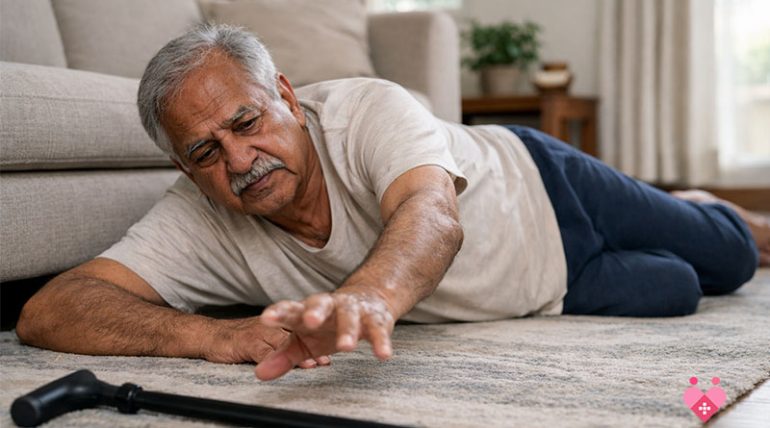
A fall at home is often the moment when families realize how quickly independence can turn into vulnerability. For older adults, falls rarely come with warning. A familiar floor, a routine movement, and suddenly the body does not respond the way it once did.
When a senior lives alone, the situation becomes more complicated. Help may not arrive immediately. Pain or shock can make it difficult to assess injuries clearly. Emotional distress often sets in even when physical injuries appear minor. For families who are not nearby, the worry is not just about the fall itself but about how long the senior was alone and how well the situation was handled.
Falls are one of the most common causes of emergency hospital visits among seniors in India. Responding correctly in the first moments and days can prevent long-term complications and help restore confidence.
Why Falls Are a Turning Point for Many Seniors
Age changes the body in ways that increase fall risk. Balance becomes less stable, muscle strength reduces, reaction time slows, and bones become more fragile. Vision issues and medication side effects add to the risk.
A fall can result in:
- Fractures, especially in the hip or wrist
- Head injuries that are not immediately obvious
- Internal bruising
- Loss of confidence and fear of movement
The physical injury is only one part of the problem. Many seniors who fall begin to restrict their own movement out of fear. Over time, this can weaken muscles further and increase the likelihood of another fall.
This is why falls should never be dismissed as simple accidents.
Start With Calm, Not Speed
If you reach an elder shortly after a fall, resist the urge to act quickly. Acting calmly is far more important.
Take a moment to observe. Is the senior conscious and alert? Are they speaking clearly? Do they appear confused or disoriented? Look carefully for visible injuries, swelling, or bleeding.
Ask where they feel pain, if any. Pain in the head, hip, back, or legs deserves immediate attention.
If the senior fell alone and contacted you afterward, encourage them to remain where they are until help arrives, especially if they feel weak or dizzy.
A calm response helps the senior feel safer and allows better judgment.
Do Not Rush to Get Them Up
Helping someone stand immediately after a fall can cause more harm than good.
Avoid moving the senior if:
- They are unable to move on their own
- They feel sharp or severe pain
- They appear confused or drowsy
- They hit their head
If they insist they feel fine, proceed slowly. Ask them to move their arms and legs gently while still seated or lying down. Stop immediately if there is pain or difficulty.
Waiting for medical assistance is often the safer option.
When Medical Help Is Necessary
Not every fall requires hospitalization, but many require evaluation.
Medical attention should be sought if there is:
- Head impact
- Bleeding or visible injury
- Inability to stand or walk
- Sudden confusion or weakness
- Use of blood thinners or history of osteoporosis
In India, families often wait if injuries are not visible. This can be dangerous. Some serious injuries show symptoms only hours or days later.
Immediate Comfort and Emotional Support
If hospitalization is not immediately required and the senior can rest comfortably, emotional support becomes the priority.
Speak calmly and steadily. Avoid showing panic or frustration. A fall can already make a senior feel embarrassed or frightened.
Keep them warm and comfortable. Offer water only if they are fully alert. Continue to observe them for any changes.
Feeling emotionally supported helps reduce shock and anxiety, which can worsen physical symptoms.
Inform Family Members Early
Even minor falls should be communicated to family members.
Clear communication helps families:
- Monitor symptoms
- Arrange follow-up care
- Make decisions without panic
Share factual details rather than assumptions. Include when the fall occurred, what symptoms were noticed, and what steps were taken.
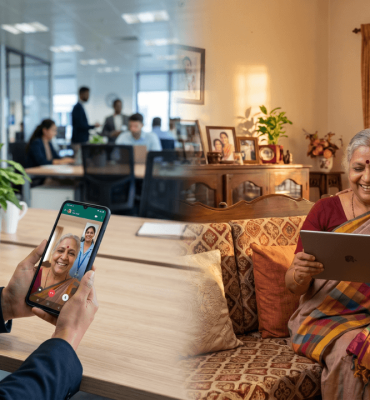
For families living far away, early updates provide reassurance and clarity.
Observe Closely Over the Next Two Days
Some fall-related symptoms appear later. Head injuries, internal bruising, and mobility issues may develop gradually.
Over the next 24 to 48 hours, watch for:
- Increasing pain or stiffness
- Headaches or nausea
- Changes in alertness or behavior
- Difficulty walking or standing
Seek medical care immediately if any of these appear.
Look for the Underlying Cause
Once the immediate situation has passed, it is important to understand why the fall happened.
Common contributing factors include:
- Slippery floors or loose rugs
- Poor lighting, especially at night
- Uneven surfaces or stairs
- Balance issues or muscle weakness
- Medication side effects
- Vision problems
Support Confidence During Recovery
Fear of falling again is common. Seniors may move less, avoid walking, or ask for help even when they are capable.
Encourage safe, gentle movement once a doctor confirms it is appropriate. Avoid overprotecting or making the senior feel incapable.
Make the Home Safer
Home safety changes reduce future fall risk.
These may include:
- Removing loose rugs and clutter
- Improving lighting in hallways and bathrooms
- Installing grab bars and handrails
- Ensuring proper footwear
- Keeping frequently used items within reach
Consider Ongoing Support
A fall often signals the need for additional help, even if temporarily.
Support options may include:
- Regular check-ins
- Assistance during specific times of day
- Help with bathing, meals, or mobility
- Short-term supervision during recovery
When Family Is Not Nearby
Falls are especially risky for seniors living alone when family members are far away. Delayed response and lack of assessment increase risk.
Reliable local support ensures timely help and proper monitoring when family cannot be present.
How AgeWell Supports Seniors After a Fall
This is where structured elder care makes a meaningful difference.
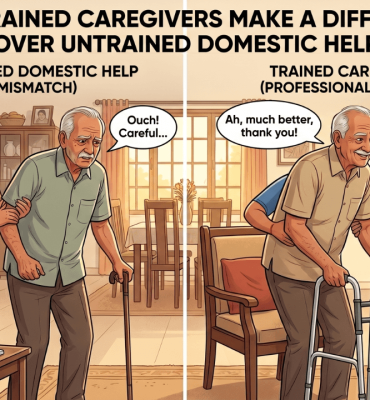
AgeWell Care provides on-ground support for seniors who fall at home. Their caregivers respond calmly, assess injuries, coordinate medical care, and remain present during recovery.
AgeWell also helps families identify why the fall occurred and what preventive steps can reduce future risk. Care can be short-term or ongoing, depending on need.
For seniors, this means they are not left alone during a vulnerable moment. For families, it provides peace of mind and continuity of care.
Preparing Before a Fall Happens
The best response to a fall is preparation. Regular health check-ups, medication reviews, safer home environments, and dependable support systems reduce both risk and fear.
Preparation supports independence rather than limiting it.
Final Thoughts
A fall at home is not just a physical incident. It is a signal that deserves careful attention and thoughtful response.
With calm action, proper medical evaluation, emotional support, and preventive steps, many seniors recover well and continue living safely. What matters most is ensuring they are supported, not isolated, during and after such moments.
If your parent or loved one lives alone and you want reliable support in case of falls or recovery, AgeWell Care can help you plan care that respects independence while ensuring safety.
Connect with AgeWell today to explore elder care support designed for real-life needs.

Gitali Thakur is the Managing Director & CEO of AgeWell, India’s trusted elder care services brand. With deep expertise in building compassionate care ecosystems, she leads AgeWell’s vision of delivering dignified, reliable, and warm care for seniors and their families. Her insights on elder care, family caregiving, and senior wellness are rooted in years of hands-on leadership in the healthcare and home care space.