

Preventive care does not get much attention until something goes wrong. Most people think about doctors, tests, and checkups only when discomfort shows up or daily life starts to feel disrupted. By then, the body is already asking for more effort, more appointments, and more recovery time.
In 2026, experts are pushing a very different message for seniors. Preventive care is not about finding problems. It is about preserving normal days. The kind of days where routines stay intact, energy feels predictable, and health does not dominate every conversation.
For seniors, preventive care is no longer optional or secondary. It is one of the most practical ways to protect independence, reduce stress, and avoid health spirals that become harder to manage with time.
This article looks at preventive care not as a medical checklist but as a life strategy.
What Preventive Care Really Means for Seniors
Preventive care is often misunderstood. Many people think it means constant testing or frequent hospital visits. That image alone is enough to make anyone avoid it.
In reality, preventive care is quieter than that.
For seniors, preventive care means staying aware of how the body is changing and responding early, before small issues turn into disruptive ones. It means routine monitoring, timely adjustments, and informed decision-making.
Preventive care focuses on:
- Detecting changes early
- Managing existing conditions more smoothly
- Reducing emergency situations
- Preserving daily independence
- Lowering long-term healthcare stress
Why Waiting for Symptoms No Longer Works
One of the biggest challenges with aging is that symptoms often appear late. Blood pressure can rise quietly. Blood sugar can drift for years. Bone density can be reduced without pain until a fall occurs.
By the time symptoms become obvious, treatment often becomes more complex.
Experts in 2026 are very clear about this. Reactive healthcare is harder on the body and the mind, especially for seniors. Recovery takes longer. Complications increase. Emotional stress rises.
Preventive Care Protects Independence
Independence is not just about mobility. It is about choice.
Being able to decide when to go out, what to eat, how to spend the day, and how much help to accept. Preventive care supports those choices by reducing health surprises.
When health is monitored consistently:
- Medications stay effective
- Energy levels remain more predictable
- Mobility issues are addressed early
- Cognitive changes are noticed sooner
The Hidden Cost of Skipping Preventive Care
Skipping preventive care does not always show immediate consequences. That is why it is easy to postpone.
The cost shows up gradually.
It may look like:
- Frequent fatigue that goes unexplained
- Minor dizziness that becomes a fall risk
- Appetite changes that lead to weakness
- Sleep issues that worsen mood and focus
- Small infections that become serious
Each of these issues is easier to manage when noticed early. Preventive care reduces the chance of small disruptions becoming life-altering events.
What Preventive Care Looks Like in 2026
Preventive care has evolved. It is no longer limited to annual checkups.
In 2026, preventive care for seniors includes a more continuous and personalized approach.
It often involves:
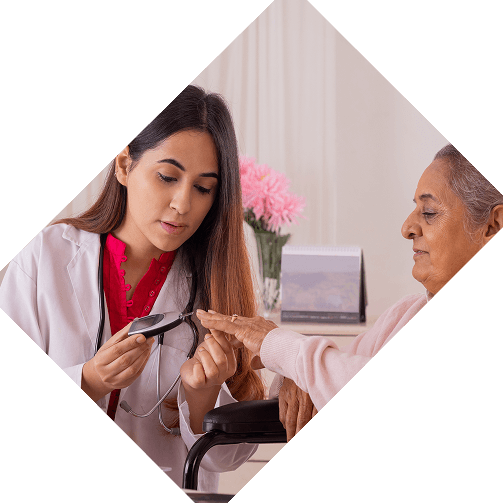
- Regular monitoring of vital health markers
- Periodic reviews of medications
- Early screening for common age-related conditions
- Attention to mental and emotional health
- Coordination between healthcare providers
Preventive Care Is Not Only Physical
One of the biggest changes in preventive care thinking is the inclusion of mental and emotional health.
Loneliness, anxiety, and chronic stress affect physical health more than many people realize. They impact immunity, heart health, sleep, and motivation.
Preventive care now includes:
- Regular emotional check-ins
- Monitoring changes in mood or behavior
- Addressing sleep disruptions early
- Encouraging social connection
Early Detection Changes Outcomes
Early detection is not about creating fear. It is about creating options.
When changes are detected early:
- Treatment options are simpler
- Lifestyle adjustments are more effective
- Recovery times are shorter
- Quality of life remains higher
Why Preventive Care Reduces Healthcare Stress
Healthcare can feel overwhelming when it is unplanned. Emergency visits, sudden diagnoses, rushed decisions, and unfamiliar doctors all increase stress.
Preventive care brings predictability.
When seniors have regular monitoring and ongoing support:
- Health conversations become calmer
- Decisions feel informed rather than urgent
- Family members feel reassured
- Care becomes coordinated instead of reactive
The Role of Routine in Preventive Care
Preventive care works best when it becomes routine.
Not something to remember once a year, but something woven gently into life.
This may include:
- Scheduled health reviews
- Consistent medication management
- Tracking changes in appetite or sleep
- Regular communication with healthcare professionals
Preventive Care Supports Aging at Home
Most seniors prefer to age at home. Familiar spaces provide comfort, dignity, and emotional security.
Preventive care makes aging at home safer.
When health is monitored regularly:
- Risks are identified early
- Adjustments can be made proactively
- Hospitalizations are often reduced
- Home remains a viable option for longer
Why Families Also Benefit from Preventive Care
Preventive care not only supports seniors. It supports families as well.
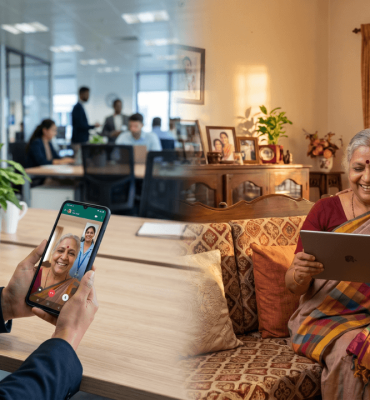
Family members often worry quietly. They notice small changes but are unsure whether to act. Preventive care provides structure and reassurance.
It helps families:
- Stay informed without constant anxiety
- Avoid crisis-driven decisions
- Plan support proactively
- Share responsibility with professionals
Where AgeWell Fits into Preventive Care
Preventive care works best when it is consistent and coordinated.
This is where AgeWell Care plays a meaningful role.
AgeWell focuses on healthcare assistance that supports seniors in their everyday environment. By monitoring health needs, supporting routines, and coordinating care, AgeWell helps preventive care become part of daily life rather than an occasional task.
When support is reliable, seniors can focus on living while their health is quietly looked after.
Preventive Care Is an Investment Not an Expense
Many people hesitate around preventive care because they see it as unnecessary spending. In reality, preventive care often reduces long-term healthcare costs.
It lowers:
- Emergency hospital visits
- Complications from unmanaged conditions
- Lengthy recovery periods
- Emotional and financial strain on families
Preventive care saves resources by preventing avoidable crises.
What Happens When Preventive Care Is Delayed
Delaying preventive care rarely feels risky in the moment. The body adapts. Symptoms get ignored. Life continues.
Until it does not.
When preventive care is delayed:
- Conditions progress silently
- Treatment becomes more aggressive
- Recovery becomes slower
- Independence becomes harder to maintain
Experts emphasize that timing matters as much as treatment itself.
Preventive Care Encourages Better Daily Habits
When seniors engage in preventive care, daily wellness habits often improve naturally.
Regular check-ins encourage:
- Better nutrition awareness
- Consistent medication use
- More mindful movement
- Improved sleep routines
Shifting the Mindset Around Care
Perhaps the most important change needed in 2026 is mindset.
Preventive care is not about preparing for illness. It is about supporting health while things are still going well.
It is a sign of self-respect, not vulnerability.
Choosing preventive care means choosing steadiness over surprises.

Dr. Dipanjan Chatterjee is the Medical Director at AgeWell™ and a Senior Consultant in Critical Care Medicine at Kolkata, with over 20 years of clinical experience. He holds an MD in Anaesthesiology, FNB in Cardiac Anaesthesiology, FECMO, a Certification in Geriatric Medicine (CCGMG), and an Executive Program in Healthcare Management from IIM Kolkata. His articles on senior health, geriatric care, and age-related conditions are grounded in deep clinical expertise and decades of frontline medical practice.