
Sixty today does not look like sixty twenty years ago. People are working longer, staying active longer, and expecting far more from their later years. But there is a difference between simply growing older and doing it well.
In 2026, the conversation around senior wellness must move beyond temporary goals and into long-term structure. Feeling energetic, staying independent, and protecting cognitive clarity are not accidental outcomes. They are the result of steady, intentional habits supported by the right environment and guidance.
If you are planning ahead for yourself or a loved one, this is the year to focus on what truly makes a difference.
Mobility
If you strip everything down, mobility is what determines autonomy.
It’s the difference between:
- Getting up without assistance
- Climbing stairs confidently
- Recovering balance after a small stumble
- Leaving the house without fear
Muscle loss begins gradually after 60. Balance weakens subtly. Reaction time slows. None of it feels dramatic in the beginning. But compounded over years, it changes everything.
That’s why structured senior wellness programs are no longer focused only on light stretching or group walks. The real focus now is strength preservation.
Two short strength sessions per week. That alone can significantly reduce fall risk. Add daily walking, not aggressive, just consistent, and you create a physical foundation that protects independence.
Nutrition
Many seniors unintentionally under-eat protein. Appetite declines, portions shrink, and muscle loss accelerates.
It’s about protecting lean mass.
A simple recalibration works:
- Include protein at every meal (eggs, lentils, yogurt, fish, lean meats)
- Add color — leafy greens, berries, carrots, tomatoes
- Reduce ultra-processed sugar
- Track hydration consciously
These adjustments support stable energy, sharper cognition, and better recovery from illness.
Brain Health Is Not Preserved by Comfort
Many families assume cognitive decline is purely genetic.
Learning how to use new technology. Engaging in structured discussions. Reading unfamiliar material. Solving puzzles. Having real conversations instead of passive television hours.
This is exactly why modern senior citizen wellness programs include digital literacy workshops and cognitive engagement sessions. The goal is not entertainment — it’s neuroplasticity.
Sleep also plays a critical role here. Inconsistent sleep patterns impair memory consolidation and emotional regulation. Protecting 7–8 hours of stable rest may be one of the simplest long-term investments in brain health.
Emotional Stability Is a Health Metric
Loneliness doesn’t look dramatic from the outside. But physiologically, it is significant.
Chronic isolation increases cortisol levels, weakens immune response, and correlates with higher cardiovascular risk.
True senior wellness must include social structure. Not occasional gatherings. Consistent connection.
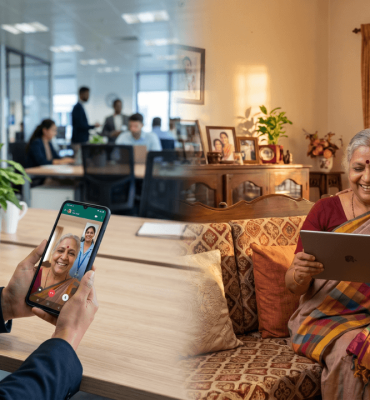
A weekly group. A volunteer role. A community activity. Regular calls with family.
Feeling relevant matters.
The strongest outcomes are seen when emotional support is integrated into formal senior wellness programs instead of being treated as an afterthought.
Preventive Healthcare: Monitor Before You Must Manage
Waiting for symptoms is expensive, physically and emotionally.
Proactive aging looks like this:
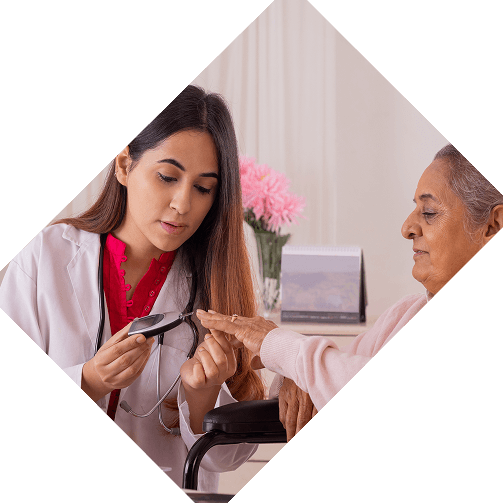
- Annual comprehensive health screening
- Bone density checks
- Vision and hearing evaluations
- Medication reviews
- Fall risk assessments
Forward-thinking age well senior services are shifting toward surveillance and prevention rather than reaction. That approach significantly reduces emergency hospital visits and long recovery cycles.
Monitoring is not fear-based. It’s strategy-based.
The Home Environment Is Often Overlooked
Most senior injuries happen at home. A loose rug. Poor bathroom lighting. Slippery flooring. Inadequate footwear.
Small changes prevent large consequences. Installing grab bars, improving lighting, and decluttering walkways these steps are practical, not dramatic. Yet they are central to modern senior health and wellness planning.
Safety is rarely exciting. But it is powerful.
Where Structured Support Makes the Difference
There comes a point when habits alone are not enough.
A senior may be motivated. A family may be attentive. But consistency becomes harder. Medical appointments increase. Mobility fluctuates. Nutrition slips. Loneliness creeps in quietly.
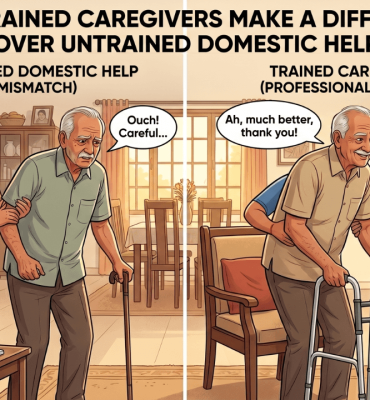
This is where professional caregiving stops being a backup plan and starts becoming a stabilizing force.
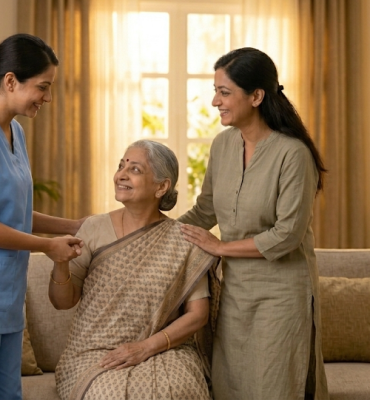
AgeWell Care works as more than a service provider. It functions as an extension of the family bringing structure, supervision, and compassionate presence into everyday life.
As a trusted name in elderly support, AgeWell focuses on practical, personalized senior wellness. That means:
- Assisting with daily routines without reducing independence
- Monitoring health indicators and medication schedules
- Supporting mobility and fall prevention
- Encouraging safe physical activity
- Facilitating emotional engagement and companionship
- Coordinating with doctors when required
Unlike generic care models, AgeWell understands that true senior health and wellness is not just about medical response. It is about preserving dignity, maintaining rhythm, and preventing small issues from becoming serious complications.
For families exploring structured age well senior services, the difference lies in proactive involvement. Instead of stepping in only during crisis, trained caregivers create stability before emergencies happen.
Schedule a consultation with AgeWell Care today and explore how structured caregiving can strengthen long-term senior wellness.
Visit agewellcare.in or speak directly with our care team to begin.
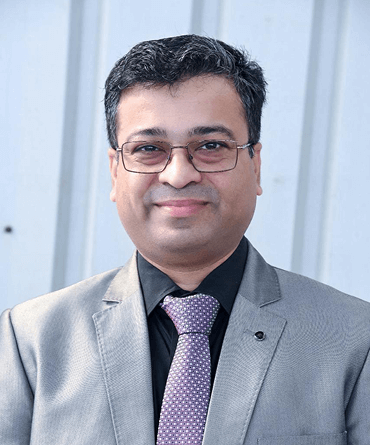
Dr. Dipanjan Chatterjee is the Medical Director at AgeWell™ and a Senior Consultant in Critical Care Medicine at Kolkata, with over 20 years of clinical experience. He holds an MD in Anaesthesiology, FNB in Cardiac Anaesthesiology, FECMO, a Certification in Geriatric Medicine (CCGMG), and an Executive Program in Healthcare Management from IIM Kolkata. His articles on senior health, geriatric care, and age-related conditions are grounded in deep clinical expertise and decades of frontline medical practice.