
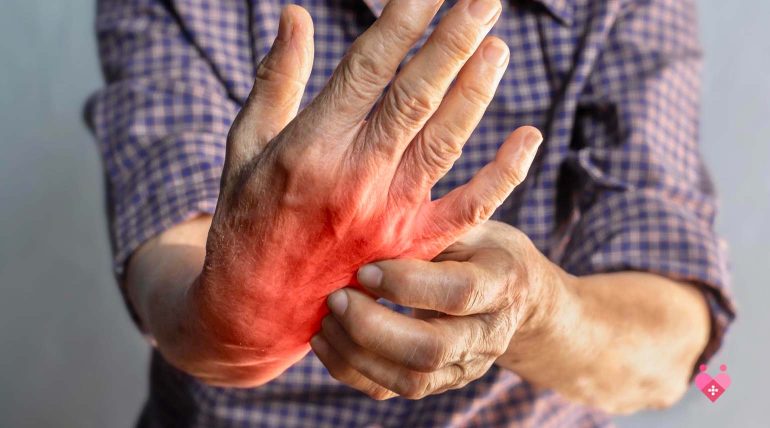
Joint pain is one of the most common health concerns among seniors, and for many older adults, this discomfort gradually becomes a barrier to daily movement and independence. Arthritis is a major contributor. It affects the joints in different ways, leading to stiffness, pain, and reduced mobility that can limit walking, climbing stairs, or performing routine tasks at home.
Recent global research highlights the scale of the issue. A comprehensive 2021 analysis estimated that more than 600 million people worldwide were living with osteoarthritis, the most common form of arthritis.
In India, knee osteoarthritis is especially widespread. A 2025 pooled community analysis found that nearly 47 percent of older adults studied were living with knee osteoarthritis.
These numbers reflect a growing need for awareness, early detection, and preventive care. Families often notice the changes first, and knowing what arthritis looks like in its early stages can make a significant difference in managing symptoms and preventing long-term joint damage.
This article breaks down what arthritis means for older adults, how to recognize the earliest signs, the influences that increase risk, and the steps that can support healthier, more comfortable joints in the long run.
Table Of Contents
- Introduction
- What Is Arthritis in Seniors
- Types Of Arthritis and Their Causes
- Early Symptoms of Arthritis in Older Adults
- Risk Factors for Arthritis and Joint Damage
- Prevention Of Arthritis and Joint Protection for Seniors
- When To Seek Medical Help
- How Diagnosis Is Made
- Treatment Options for Seniors
- Daily Care and Home Adaptation
- Core Points to Remember
- Caring For the Carer
- The AgeWell Care Approach
WHAT IS ARTHRITIS
Arthritis refers to conditions that affect the joints and the structures around them. A healthy joint depends on smooth cartilage, adequate joint fluid, strong ligaments and tendons, and balanced muscle support. When any of these elements begin to weaken or change, movement becomes less comfortable, and the joint may start to ache or lose flexibility.
In older adults, arthritis often becomes more noticeable because joints have carried many years of movement, physical work, minor injuries, and biological changes. Although many forms of arthritis are recognized in medicine, a few appear most often in clinical practice.
Two patterns are especially important in seniors.
- Osteoarthritis, where joint surfaces gradually wear down and movement becomes painful or stiff
- Rheumatoid arthritis, where the immune system drives inflammation inside the joint lining and may damage the joint if untreated
Other forms can also affect adults as they age. These include gout, psoriatic arthritis, ankylosing spondylitis, and the long-term effects of juvenile arthritis. Each condition progresses differently, but all can influence daily movement and comfort if not managed early.
TYPES OF ARTHRITIS
The conditions listed below represent the forms most relevant to older adults. Each has a distinct progression. The table summarizes these differences for clarity.
| TYPE | KEY FEATURES | TYPICAL PRESENTATION | RELEVANCE TO SENIORS |
| Osteoarthritis | Degeneration of cartilage and surrounding joint structures | Pain that increases with use, brief morning stiffness, reduced flexibility | Most common type in seniors, often affecting knees, hips and hands. Early strengthening and weight control help slow progression. |
| Rheumatoid Arthritis | Immune-driven inflammation affecting the lining of joints | Swelling, tenderness, prolonged morning stiffness, fatigue | Requires early medical treatment to prevent long-term joint damage. |
| Gout | Build-up of uric acid crystals inside joints | Sudden, intense attacks of pain with swelling and redness | Common in older adults with kidney issues, certain diets or long-term medications. |
| Psoriatic Arthritis | Inflammation linked to psoriasis affecting joints, tendons and ligaments | Joint pain with possible skin or nail changes | Diagnosis may be delayed if skin symptoms are mild; treatment reduces long-term joint stress. |
| Ankylosing Spondylitis | Inflammation mainly in the spine and sacroiliac joints | Persistent back stiffness that improves with movement | Long-standing AS can affect posture and stability in older age. |
| Juvenile Arthritis (adult impact) | Arthritis beginning before age sixteen with possible long-term effects | Varies widely; some adults carry joint changes into later life | Adults with a history of JIA may develop early degenerative changes. |
Early Symptoms of Arthritis in Older Adults
Arthritis begins with patterns that differ by type. Recognizing these early changes helps families seek care before long-term joint damage develops. Below are the symptoms associated with each major form of arthritis seen in adults.
Osteoarthritis
- Pain that increases after activity or long periods of standing
- Stiffness that improves within half an hour after movement
- Reduced flexibility in knees, hips, or hands
- Creaking or grating sensations during motion
- Mild swelling around affected joints
Rheumatoid Arthritis
- Swollen, warm, and tender joints, often in hands or wrists
- Morning stiffness that lasts longer than thirty to sixty minutes
- Pain on both sides of the body in matching joints
- Noticeable fatigue or reduced stamina
- Episodes of joint flares with increased swelling
Gout
- Sudden and severe pain, often beginning at night
- Redness, warmth, and pronounced swelling
- Pain commonly starts in the big toe but may involve the knees, ankles, or wrists
- Possible low-grade fever during attacks
Psoriatic Arthritis
- Joint pain combined with skin patches or nail changes
- Stiffness, particularly in the morning
- Swelling in fingers or toes that may appear sausage-like
- Pain at tendon or ligament attachment points
- Fatigue or reduced range of motion in affected joints
Ankylosing Spondylitis
- Persistent back or hip stiffness, especially after rest
- Pain that improves with movement rather than rest
- Reduced spinal flexibility over time
- Discomfort during deep breathing when the ribs are involved
- Balance changes in long-standing cases
Long-Term Effects Of Juvenile Arthritis
- Residual stiffness or reduced range of motion in previously affected joints
- Early-onset osteoarthritis in adulthood due to structural changes
- Occasional joint swelling or discomfort after exertion
- Muscle weakness if joints were protected or underused in youth
Risk Factors for Arthritis and Joint Damage
Risk factors contribute differently to each form of arthritis. Some relate to lifelong biological influences, while others reflect lifestyle, environment, or pre-existing health concerns.
For Osteoarthritis
- Age-related cartilage thinning
- Previous joint injuries or repetitive strain
- Excess body weight places additional load on the knees and hips
- Occupations involving heavy lifting or kneeling
- Alignment issues, such as bowed legs or flat feet
For Rheumatoid Arthritis
- Family history of autoimmune disease
- Cigarette smoking
- Certain viral exposures, as suggested in immunology research
- Hormonal influences, with a higher occurrence in women
- Untreated early symptoms that accelerate structural damage
For Gout
- High uric acid levels
- Diets high in red meat, organ meats, or alcohol
- Kidney disease affects uric acid clearance
- Long-standing metabolic conditions
- Certain medications such as diuretics
For Psoriatic Arthritis
- Existing psoriasis
- Family history of psoriasis or psoriatic arthritis
- Repeated joint stress
- Obesity, which increases the inflammatory load
- Severe skin and nail issues
For Ankylosing Spondylitis
- Family history and HLA-B27 gene association
- Onset often begins in younger adulthood
- Smoking contributes to worse spinal involvement
- Prolonged periods of inactivity worsen stiffness
For the Long-Term Effects of Juvenile Arthritis
- Incomplete remission in adolescence
- Early joint damage alters alignment
- Past steroid use leading to bone thinning
- Reduced lifelong joint range affecting mechanics in older age
Prevention Of Arthritis And Joint Protection For Seniors
Prevention depends on the type of arthritis. Some forms can be slowed or reduced through lifestyle decisions, while others require early diagnosis and consistent treatment.
Osteoarthritis
- Strengthening muscles around major joints to reduce load
- Maintaining a healthy weight
- Choosing low-impact activities such as walking or cycling
- Avoiding deep squatting or repetitive heavy lifting
- Using supportive footwear and ergonomic household adjustments
Rheumatoid Arthritis
Progression can be slowed through:
- Early evaluation and prompt initiation of appropriate medication
- Avoiding smoking
- Maintaining joint mobility through supervised physical therapy
- Monitoring for flares and seeking timely adjustments in treatment
Gout
- Limiting alcohol and high-purine foods
- Staying hydrated
- Managing weight and metabolic health
- Taking prescribed uric acid-lowering medication when indicated
Psoriatic Arthritis
While the disease itself cannot be prevented, the strain on joints can be reduced through
- Maintaining a healthy weight to lower the inflammatory load
- Treating psoriasis early
- Keeping joints active with regular movement
- Avoiding repetitive stress on affected areas
Ankylosing Spondylitis
There is no prevention for disease onset, but functional decline can be slowed by
- Regular stretching and spinal mobility exercises
- Avoiding smoking
- Maintaining good posture and ergonomic seating
- Keeping a consistent activity routine
Long-Term Effects Of Juvenile Arthritis
Support in later adulthood focuses on
- Protecting already vulnerable joints
- Maintaining balanced muscle strength
- Monitoring for early osteoarthritis changes
- Using physiotherapy when stiffness increases
When To Seek Medical Help
Medical attention becomes important when patterns shift in ways that do not feel typical for the person. This might look like stiffness that lingers long after waking, or pain that appears even on light activity.
Some older adults find themselves avoiding stairs or long walks without fully realizing they have adapted their lives around discomfort. Others may withdraw from household routines because lifting or bending has become tiring.
Sudden and intense pain, especially in the toe, ankle, or knee, can signal a gout flare. Likewise, back stiffness that eases when walking but returns during rest may reflect an inflammatory condition rather than ordinary ageing. Symptoms that interrupt sleep, reduce balance, or create hesitation during simple movements deserve attention.
In many Indian homes, older adults often minimize their symptoms so they do not burden their family. A soft conversation about small changes you have noticed can encourage them to speak openly. Seeking a medical opinion early helps identify what is happening beneath the surface and may prevent long-term joint changes from progressing unnoticed.
Treatment Options for Seniors
Arthritis treatment is most effective when it combines several approaches rather than relying on a single solution. Each older adult has a different history, lifestyle, and level of mobility, so care plans are often shaped step by step.
Treatment may involve the following components.
Medicines
Medicines are chosen with care, especially for seniors who may already be managing other health conditions. They may help by
- easing pain during difficult phases
- reducing inflammation in conditions like rheumatoid or psoriatic arthritis
- lowering uric acid levels in people with recurrent gout
Physiotherapy And Movement
Movement is one of the most effective tools for protecting joints. Structured physiotherapy can
- strengthen the muscles that support knees, hips, and hands
- improve balance and flexibility
- reduce stiffness and help restore confidence in daily movement
Lifestyle Adjustments
Certain day-to-day choices also influence joint comfort. These may include
- choosing low-impact activities like walking or cycling
- using supportive footwear
- Adjusting diet for gout management
- maintaining a healthy weight to ease pressure on major joints
- pacing activities to avoid overexertion
Injections Or Surgery
These options are considered only when needed. Joint injections may offer short-term relief during flare-ups. Surgery, such as knee or hip replacement, is usually recommended when pain or stiffness significantly limits independence.
Your doctor will help decide which combination of treatments will support comfort, mobility, and long-term joint health.
Daily Care and Home Adaptation
Daily life shapes how older adults experience arthritis. A few thoughtful adjustments can ease discomfort and help them move through the day with more confidence.
Gentle Routines
Mornings can feel stiff for many seniors. Soft stretches, slow walks within the home, or gentle hand exercises can gradually warm the body. When the pace feels unhurried, movement becomes easier.
Comfortable And Safe Spaces
Homes can be arranged to support comfort. Families often find that
- Brighter lighting reduces hesitation while walking
- Stable chairs make sitting and standing less tiring
- Non-slip mats create a sense of security
- Frequently used items kept within easy reach prevent unnecessary strain
These small changes can make daily tasks more manageable.
Nutrition That Sustains Energy
Meals that are simple and nourishing help maintain strength. Warm dals, vegetables, soups, whole grains, and adequate fluids support joint and muscle health. Keeping a bottle of water nearby or offering small, regular meals prevents fatigue and dehydration.
Respecting The Body
Arthritis brings periods of tiredness, especially in inflammatory forms. It helps to
- Pause between household activities
- Split larger tasks across the day
- Share responsibilities within the family
- Recognize when rest is needed rather than pushing through discomfort
Moments Of Comfort
A warm compress, quiet music, a favorite corner of the home, or a slow evening walk can bring emotional ease. These small rituals help older adults feel supported and connected, not defined by their condition.
Core Points to Remember
- Arthritis is not one condition but a group of joint disorders, each with its own symptoms and course. Understanding the type helps guide the right care.
- Early signs often appear gradually. Stiffness that lingers, swelling that returns, or discomfort that changes daily routine should not be ignored.
- Osteoarthritis, rheumatoid arthritis, gout, psoriatic arthritis, ankylosing spondylitis, and the long-term effects of juvenile arthritis affect seniors differently. Each requires attention to symptoms that are unique to that form.
- Many risk factors can be managed with small, consistent changes. Weight control, regular movement, hydration, balanced meals, and avoiding smoking all support joint health.
- Timely medical advice allows problems to be addressed before they grow. Early assessment often prevents further joint stress and guides safer, more effective treatment.
- Gentle routines, safe home spaces, nourishing food, and shared support within the family help older adults maintain comfort and independence.
Caring For the Carer
Behind every older adult managing arthritis, there is often someone quietly coordinating appointments, medicines, physiotherapy visits, and daily needs. Caregiving can be deeply meaningful, yet it can also be physically tiring and emotionally heavy.
Many caregivers face similar challenges
- balancing a full-time job with morning medication routines or evening physiotherapy
- caring for an older parent while raising children
- living in another city and trying to manage care remotely
- feeling guilty for not being available all the time
- worrying that they may miss early signs of worsening symptoms
These experiences are common and understandable. Caregivers often carry concerns silently, especially in families where duty is deeply valued. Acknowledging these feelings helps lighten the emotional load. Practical support also makes caregiving more sustainable, especially when arthritis progresses or when mobility becomes limited.
The AgeWell Care Approach
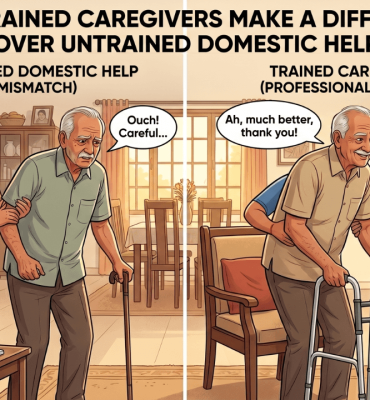
At AgeWell Care, the focus is on combining clinical understanding with support that fits naturally into an older adult’s daily life. The team works with seniors who live with different forms of arthritis and provides structured physiotherapy, assistance with movement, help with household tasks, medication reminders, safe mobility planning and warm companionship that encourages regular activity.
Families who cannot always be present because of work, distance or other responsibilities often find reassurance in having trained professionals who understand both the medical aspects of arthritis and the cultural nuances of caregiving at home.
If your family needs steady support for a senior living with arthritis, AgeWell Care can help create a safer, more comfortable daily routine at home. Connect with AgeWell Care to know what comfortable and dignified care can look like at home.
FAQs
There are several forms of arthritis, but the most commonly recognized include osteoarthritis, rheumatoid arthritis, gout, psoriatic arthritis, ankylosing spondylitis, and juvenile idiopathic arthritis that can persist into adulthood. Each type affects joints differently and requires specific medical attention.
Rheumatoid arthritis is often considered the most serious because it is an autoimmune condition that can damage joints quickly if not treated early. It can also affect other organs. Severe, untreated gout and long-standing ankylosing spondylitis can also lead to major complications.
The five most commonly recognized types are
osteoarthritis
rheumatoid arthritis
gout
psoriatic arthritis
ankylosing spondylitis
These account for most arthritis cases seen in adults, especially seniors.
Osteoarthritis usually causes pain that worsens with activity and improves with rest, with morning stiffness lasting less than thirty minutes.
Rheumatoid arthritis causes swelling, warmth, and stiffness that lasts longer than an hour after waking, often in matching joints on both sides of the body. A doctor can confirm the type through examination, blood tests, and imaging.
Common causes include age-related cartilage wear, previous injuries, excess weight, genetics, chronic inflammation, metabolic conditions like diabetes or high uric acid, and, in autoimmune forms, immune system changes.
Treatment depends on the type, but generally includes physiotherapy, safe pain-relief medicines, joint-friendly exercise, weight management, dietary adjustments for gout, and, in some cases, disease-modifying treatments for inflammatory arthritis. A doctor will tailor the plan.
Some types can be delayed or reduced through weight management, regular movement, balanced nutrition, good hydration, and avoiding smoking. Inflammatory types like rheumatoid or psoriatic arthritis cannot be prevented, but early diagnosis protects joints from long-term damage.
Yes, osteoarthritis tends to progress gradually as cartilage thins over time. Inflammatory forms can worsen without treatment. Early management, healthy weight, regular exercise, and good joint care can slow progression.
For gout, reducing red meat, organ meats, and alcohol helps lower flare-ups. For inflammatory forms, limiting processed foods, excess sugar, and saturated fats may reduce swelling. Most seniors benefit from whole foods, vegetables, fruits, dals, nuts, and adequate hydration.
A medical visit is important if pain lasts more than a few weeks, if joints swell, if morning stiffness is prolonged, if movement becomes difficult, or if sudden, severe pain appears. Early evaluation helps prevent long-term joint damage.

Dr. Dipanjan Chatterjee is the Medical Director at AgeWell™ and a Senior Consultant in Critical Care Medicine at Kolkata, with over 20 years of clinical experience. He holds an MD in Anaesthesiology, FNB in Cardiac Anaesthesiology, FECMO, a Certification in Geriatric Medicine (CCGMG), and an Executive Program in Healthcare Management from IIM Kolkata. His articles on senior health, geriatric care, and age-related conditions are grounded in deep clinical expertise and decades of frontline medical practice.