
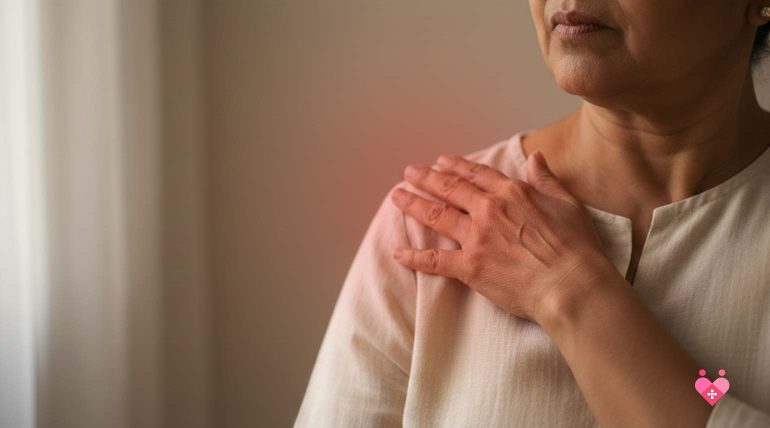
Osteoporosis is a progressive bone condition in which bones lose density and structural strength, making them fragile and more likely to break under stress.
Among older adults, this silent weakening of bones significantly increases the risk of fractures, especially in the hip, spine, wrist, and pelvis, which can lead to long-term disability, impaired mobility, chronic pain, and reduced quality of life.
Globally, osteoporosis affects millions. A comprehensive meta-analysis shows that among older adults, the prevalence of osteoporosis is around 21.7%. In many parts of Asia, the prevalence tends to be higher.
Because osteoporosis often remains symptom-free until a fracture occurs, early detection and prevention are vital.
This article explains what osteoporosis is, its causes, who is at risk, how it is diagnosed, what can be done to prevent it, and how older adults (and their families or caregivers) can take meaningful steps to protect their bone health.
What Is Osteoporosis?
Bone is a living tissue that constantly remodels: old bone is broken down (resorption), and new bone is built (formation). With healthy bone metabolism, the two remain balanced. Over time, especially with ageing, hormonal changes, and other stressors, bone resorption can outpace bone formation, leading to a gradual loss of bone mass and deterioration of internal bone structure.
In osteoporosis:
- Bone mineral density (BMD) decreases.
- The internal lattice-like structure of bone becomes porous and fragile.
- Bones become less able to withstand minor stresses, even mild falls or routine movements, which increases fracture risk.
A related but less severe condition, osteopenia, refers to lower-than-normal bone density that has not yet reached the threshold of osteoporosis but indicates risk. Over time, without intervention, osteopenia may progress to osteoporosis.
Common fracture sites include the hip, vertebrae (spine), wrist, forearm, shoulder, and pelvis. Fractures at these sites, often called “fragility fractures,” can be life-changing.
Because bone loss proceeds silently and gradually, many people do not know they have osteoporosis until a fracture occurs. That is why early detection, risk awareness, and preventive action are so important.
Types of Osteoporosis
Osteoporosis is not a single, identical disease in all people. Broadly, it can be classified as:
Primary Osteoporosis
- Post-menopausal osteoporosis (Type 1): Occurs mainly in women after menopause, when estrogen levels fall sharply. Estrogen helps preserve bone density; its loss accelerates bone resorption.
- Senile (age-related) osteoporosis (Type 2): Occurs in both women and men as a part of normal ageing, especially after age 70, when bone formation slows, calcium absorption decreases, and bone quality deteriorates.
Secondary Osteoporosis
This occurs as a result of other medical conditions, lifestyle factors, or medications that affect bone metabolism. Some causes include: long-term corticosteroid use, endocrine disorders (thyroid, parathyroid), malabsorption syndromes, chronic liver or kidney disease, certain cancers or cancer therapies, and prolonged immobility.
Causes of Osteoporosis
The weakening of bone strength that leads to osteoporosis can arise from several overlapping causes. These can be biological (age, menopause), lifestyle-related, or related to other diseases or medications.
Biological and Age-Related Causes
- Age-related bone loss: As people age, bone remodeling slows, and bone formation decreases while resorption continues, leading to net bone loss.
- Hormonal changes (especially in women): After menopause, estrogen levels drop, which accelerates bone resorption. This increases osteoporosis risk rapidly in women.
- Decline in calcium absorption and vitamin D metabolism: With age, the body’s ability to absorb calcium from food and activate vitamin D diminishes. Lower calcium and vitamin D levels reduce bone mineralization, weakening bones over time.
- Reduced bone formation and slower repair capacity: The balance between bone breakdown and formation shifts unfavorably with ageing, and micro-architectural deterioration accumulates.
Lifestyle-Related Causes
- Inadequate nutrition: Low dietary calcium, low protein intake, insufficient vitamin D, and diets poor in bone-supporting nutrients all contribute to weaker bones.
- Physical inactivity / Sedentary lifestyle: Bones need mechanical loading (from walking, weight-bearing, resistance activities) to maintain strength. Lack of movement accelerates bone loss.
- Smoking: Tobacco use interferes with bone remodeling and calcium absorption, increasing bone fragility.
- Alcohol abuse: Chronic heavy alcohol intake disrupts bone formation and can impair balance or increase fall risk.
- Low body weight / Underweight: People with low body mass index (BMI) have less bone mass reserve, making bone loss more problematic.
Medical Causes / Secondary Osteoporosis
Certain diseases and medications significantly raise osteoporosis risk:
- Endocrine disorders: Hyperthyroidism, hyperparathyroidism, and Cushing’s syndrome all can disturb bone metabolism and accelerate bone loss.
- Chronic diseases affecting absorption or metabolism: Gastrointestinal disorders (malabsorption), chronic liver or kidney disease, interfere with calcium/vitamin D balance and bone health.
- Use of bone-affecting medications: Long-term corticosteroids, certain anti-epileptics, and some cancer therapies can reduce bone density.
- Immobility: Prolonged bed rest or very low physical activity (e.g., after spinal injury, severe frailty) results in rapid bone loss.
Early Indicators of Osteoporosis
One of the most challenging aspects of osteoporosis is that it is often silent until a fracture occurs. Many people, even those with significant bone loss, remain asymptomatic.
That said, there are signs and symptoms that may suggest weakened bones, especially in older adults:
- Loss of height over time, a gradual reduction in stature, may indicate vertebral compression fractures.
- Stooped or hunched posture (kyphosis) due to collapsed vertebrae.
- Back pain or spinal discomfort, potentially from micro-fractures or vertebral collapse.
- Weak grip strength and reduced physical stability.
- Increased incidence of falls or fractures, even from minor bumps or low-impact falls.
- Slow healing or poor recovery after fractures.
In many seniors, the first sign of osteoporosis is a fragility fracture a broken bone from minimal trauma (e.g., falling from standing height, a minor bump). That’s why osteoporosis is sometimes called the “silent disease.”
Major Risk Factors in Older Adults
Certain factors, some unchangeable, some modifiable, significantly increase the risk of osteoporosis in seniors:
Non-modifiable Risk Factors:
- Female sex / post-menopausal status due to estrogen decline after menopause women are more vulnerable.
- Family history of osteoporosis or fractures, genetics play a role in peak bone mass and the speed of bone loss.
- Previous fragility fractures, past fractures, and after minor trauma increase future fracture risk.
Modifiable Risk Factors:
- Low calcium and vitamin D intake / poor nutrition
- Lack of weight-bearing or resistance exercise; sedentary lifestyle
- Smoking and excessive alcohol intake
- Low body weight or undernutrition
- Use of medications that weaken bone (e.g., long-term steroids)
- Chronic illnesses or conditions affecting bone metabolism
How Osteoporosis Is Diagnosed in Seniors
Because osteoporosis may not present visible symptoms until a fracture, proactive screening and objective measures are needed. The standard diagnostic approach includes:
Bone Mineral Density (BMD) Testing (DEXA Scan)
- Dual-Energy X-ray Absorptiometry (DEXA or DXA) is the gold standard for measuring bone mineral density.
- Bone density results are expressed as T-scores (compared to young adult peak bone mass) and Z-scores (compared to age-matched norms). A T-score ≤ –2.5 standard deviations typically defines osteoporosis per WHO criteria.
- Sites commonly measured: lumbar spine, femoral neck (hip), total hip.
Clinical Risk Assessment + FRAX Tool
- Given that bone quality is not only about density but also architecture, doctors often combine BMD with risk-factor assessment (age, sex, history of fractures, family history, medications, lifestyle) to estimate fracture risk over 10 years (e.g., using the FRAX risk calculator).
Laboratory and Secondary-Cause Evaluation
- Blood tests may check calcium, vitamin D, parathyroid hormone, thyroid function, kidney/liver health, and other markers to identify secondary causes of bone loss (e.g., endocrine disorders, malabsorption, medication effects).
- In patients with fractures, X-rays or other imaging may help assess bone quality and structural damage.
Prevention Strategies for Older Adults
Preventing osteoporosis or slowing its progression involves a combination of medical, lifestyle, and environmental interventions. For older adults, many of these are both effective and feasible.
Ensure Adequate Calcium and Vitamin D Intake
Calcium and vitamin D are essential for healthy bones. Older adults should aim to meet recommended dietary allowances (or use supplements if advised), especially if dietary intake is insufficient or sun exposure is limited. Vitamin D helps the body absorb calcium; deficiency is common and increases fracture risk.
Weight-Bearing and Resistance Exercise
Bones respond to mechanical stress. Weight-bearing activities (walking, light jogging, stair climbing) and resistance training (light weights, resistance bands) stimulate bone formation and slow bone loss. Even older adults with limited mobility benefit from modified exercises (chair exercises, physiotherapy, balance training) to maintain bone strength and reduce fall risk.
Healthy Nutrition and Balanced Diet
A nutritious diet supports bone health. This includes adequate protein, calcium-rich foods, fruit and vegetables, and sufficient micronutrients. Avoid excessive salt, processed foods, and dietary patterns that contribute to bone loss. Combined with proper vitamin D, this forms the foundation of bone health.
Lifestyle Modifications: Quit Smoking, Limit Alcohol, Maintain Healthy Body Weight
- Smoking reduces bone density and interferes with calcium absorption. Quitting helps slow bone loss.
- Excessive alcohol raises fracture risk and impairs bone formation. Limiting or avoiding alcohol improves bone resilience.
- Maintaining a healthy weight helps preserve bone mass. Underweight or malnutrition increases vulnerability.
Regular Bone Health Screening and Monitoring
Older adults, especially those over 65, post-menopausal women, or those with risk factors, should have periodic bone density testing (DEXA) and clinical evaluation, including calcium/vitamin D levels, risk-factor review, and fall-risk assessment. Early detection enables early intervention and reduces fracture risk.
Medication Review and Management of Secondary Causes
If there are underlying conditions (thyroid disease, kidney/liver issues, malabsorption, long-term steroid use) that affect bone health, it is essential to diagnose and treat them. Adjusting medications or treating underlying diseases can slow or halt bone loss.
Fall Prevention and Mobility Support
Since fractures in osteoporosis often follow falls, measures to prevent falls, such as home safety evaluation, mobility aids, strength/balance training, proper footwear, and regular vision/hearing checks, are crucial.
Multi-Factor Approach for Best Results
No single strategy will prevent osteoporosis completely. The most effective approach combines routine screening, a balanced diet, regular physical activity, lifestyle modifications, and medical management as needed. For older adults, this integrated strategy offers the best chance of maintaining bone health.
How Osteoporosis Affects Daily Life in Seniors
When osteoporosis leads to fractures, especially in the hip or spine, the impact on daily life can be severe and long-lasting:
- Reduced mobility, hip or vertebral fractures often impair walking or standing, increasing dependency and reducing quality of life.
- Chronic pain, vertebral fractures, or spinal deformities (kyphosis) cause ongoing back pain, limit mobility, and impair sleep or daily activities.
- Fear of falls and fractures leads many seniors to adopt more sedentary lifestyles after fractures, which in turn worsens bone health and muscle strength.
- Loss of independence, frequent hospitalization, rehabilitation, or long-term care needs may arise after fragility fractures.
- Increased morbidity and mortality from hip fractures, especially, carry high risks; a substantial proportion of seniors never regain pre-fracture function.
How AgeWell Supports Seniors Living with Osteoporosis
AgeWell makes osteoporosis care easier, safer, and more consistent for older adults and their families.
When a senior has already been diagnosed, AgeWell’s post-diagnosis support ensures nothing slips through the cracks. This includes monitoring for side effects from bisphosphonates and other bone-strengthening medicines, reviewing supplement use, coordinating physiotherapy or balance training, and helping families build safer home environments to prevent falls.
AgeWell care teams also help seniors stay on track with lifestyle changes such as nutrition, safe exercise, and weight-bearing activity. Most importantly, regular follow-ups mean fractures can be prevented rather than reacted to.
Conclusion
Osteoporosis is common, silent, and potentially devastating, but it is also largely preventable with the right strategies. Because bone loss occurs gradually and often without symptoms, many older adults discover the problem only after a fracture has already happened. That makes early detection, regular monitoring, and preventive care essential.
Good bone health in later life relies on a combination of balanced nutrition (adequate calcium and vitamin D), safe and regular weight-bearing exercise, healthy lifestyle habits (no smoking, moderate alcohol, maintaining a healthy body weight), and periodic bone density screening, especially for those at higher risk.
For older adults, families, and caregivers, understanding bone health risks and acting early can preserve mobility, independence, and quality of life.

Dr. Dipanjan Chatterjee is the Medical Director at AgeWell™ and a Senior Consultant in Critical Care Medicine at Kolkata, with over 20 years of clinical experience. He holds an MD in Anaesthesiology, FNB in Cardiac Anaesthesiology, FECMO, a Certification in Geriatric Medicine (CCGMG), and an Executive Program in Healthcare Management from IIM Kolkata. His articles on senior health, geriatric care, and age-related conditions are grounded in deep clinical expertise and decades of frontline medical practice.